Pheromone Trap Capsule for Fruit Flies – Cherry, Olive, Mediterranean

Excellent +1800 avis sur Société des AVIS GARANTIS

Specific pheromone capsule to trap male fruit flies (Rhagoletis cerasi, Bactrocera oleae, Ceratitis capitata) and stop reproduction. Place it in the pheromone trap basket starting in spring for targeted and natural protection of your cherry trees, olive trees, and Mediterranean fruit trees.

  • Attracts only males to block reproduction
  • Universal compatibility with all pheromone traps
  • Use from March–April for early protection
  • Store in a cool place to preserve effectiveness

2 Choisissez votre quantité et économisez

€10.83
Delivered in approx. 1 to 3 days Delivered in approx. 1 to 3 days
100% secure payment 100% secure payment

Essentials for you:

Cherry fruit fly pheromone
  • Diffusion for 4 to 6 weeks per capsule
  • High trapping capacity
  • Detection and control of populations
€5.36

Pheromone Trap for Fruit Trees: Capsule for Fruit Flies

This fruit fly pheromone capsule is designed to specifically target three major pest species: the cherry fruit fly (Rhagoletis cerasi), the olive fly (Bactrocera oleae), and the Mediterranean fruit fly (Ceratitis capitata). These insects, responsible for significant damage to cherry trees, olive trees, and other Mediterranean fruit trees, have their reproduction halted thanks to this natural and selective method.

This product is a sexual pheromone capsule sold separately from the pheromone trap. It fits into the trap basket to release a signal mimicking that of females, attracting and capturing males in a soap-water filled container. This approach significantly reduces the fruit fly population without using chemical insecticides.

When to Use This Product?

This product is particularly useful when you observe signs of fruit fly infestation, such as damaged fruits, punctures, or visible larvae inside the fruits. It is also recommended for prevention at the start of the reproduction season to avoid contamination of your harvests.

The pheromone trap, combined with this capsule, allows real-time monitoring of pest pressure. If you capture between 2 and 5 flies per week, this indicates a significant infestation requiring additional action, such as applying a biological insecticide.

  • Presence of damaged or perforated fruits by larvae
  • Visual detection of adult flies around fruit trees
  • Harvests compromised by fruit fly attacks
  • Need to monitor and reduce the fly population without chemicals

Reproduction Cycle of Fruit Flies

Fruit flies follow a reproduction cycle where females naturally release sexual pheromones to attract males. This pheromone capsule mimics this specific chemical signal for each species, allowing the capture of males before they can fertilize females. Without available males, reproduction is interrupted, limiting egg-laying and damage to fruits.

Each fruit fly species has a specific activity period. For example, the cherry fruit fly (Rhagoletis cerasi) is mainly active in spring, while the Mediterranean fruit fly (Ceratitis capitata) can proliferate year-round in warm regions.

Mode of Action and Use of the Pheromone Capsule

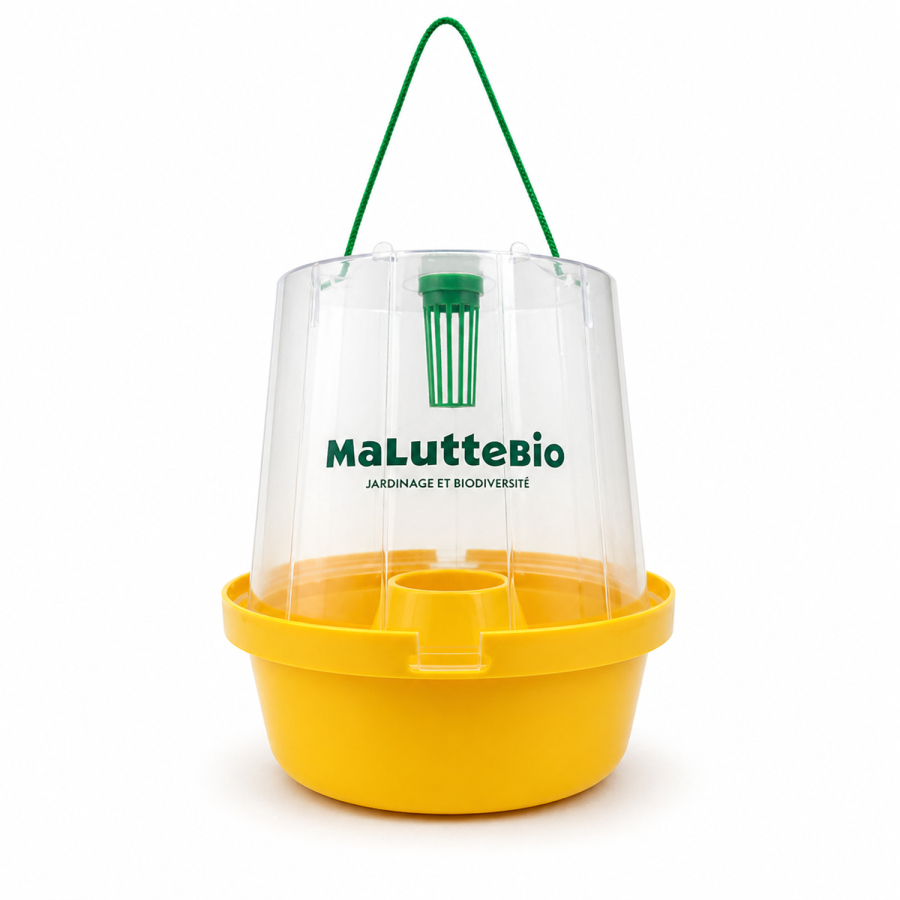
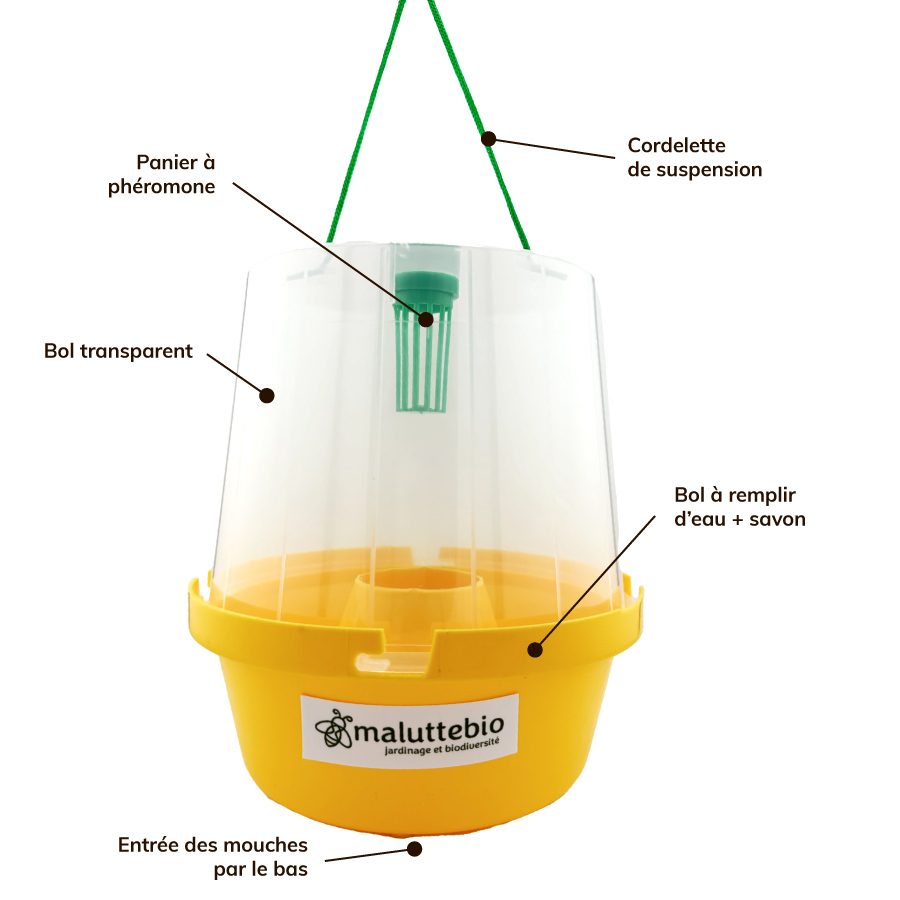
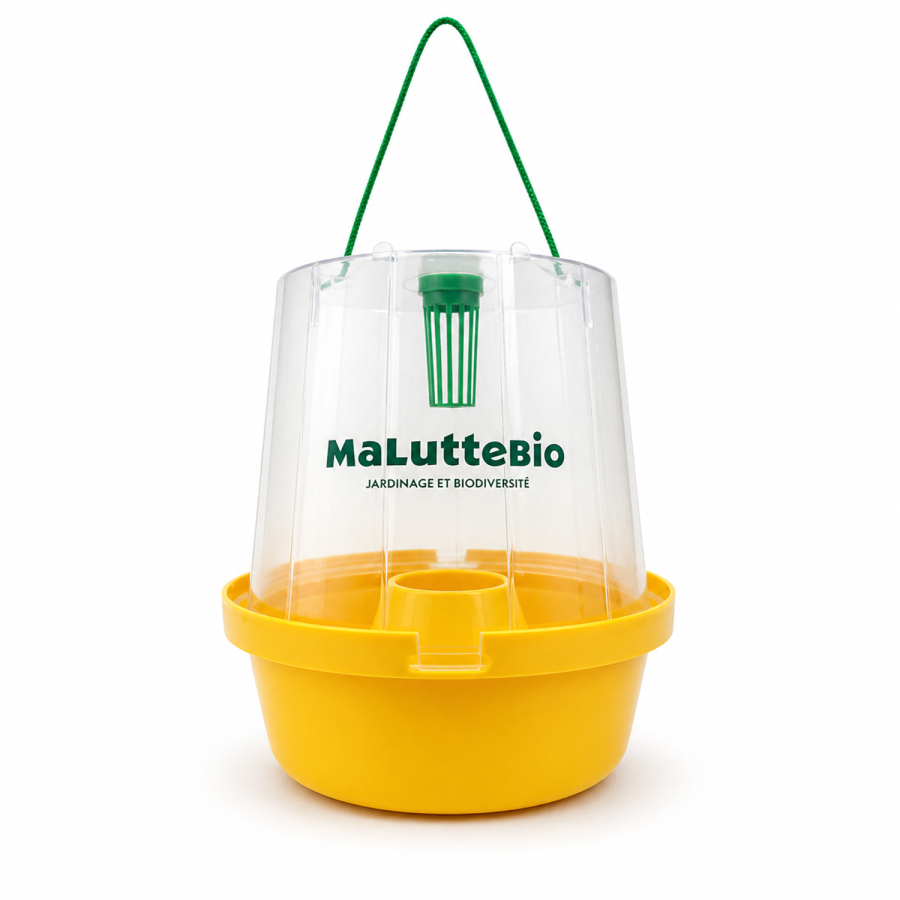
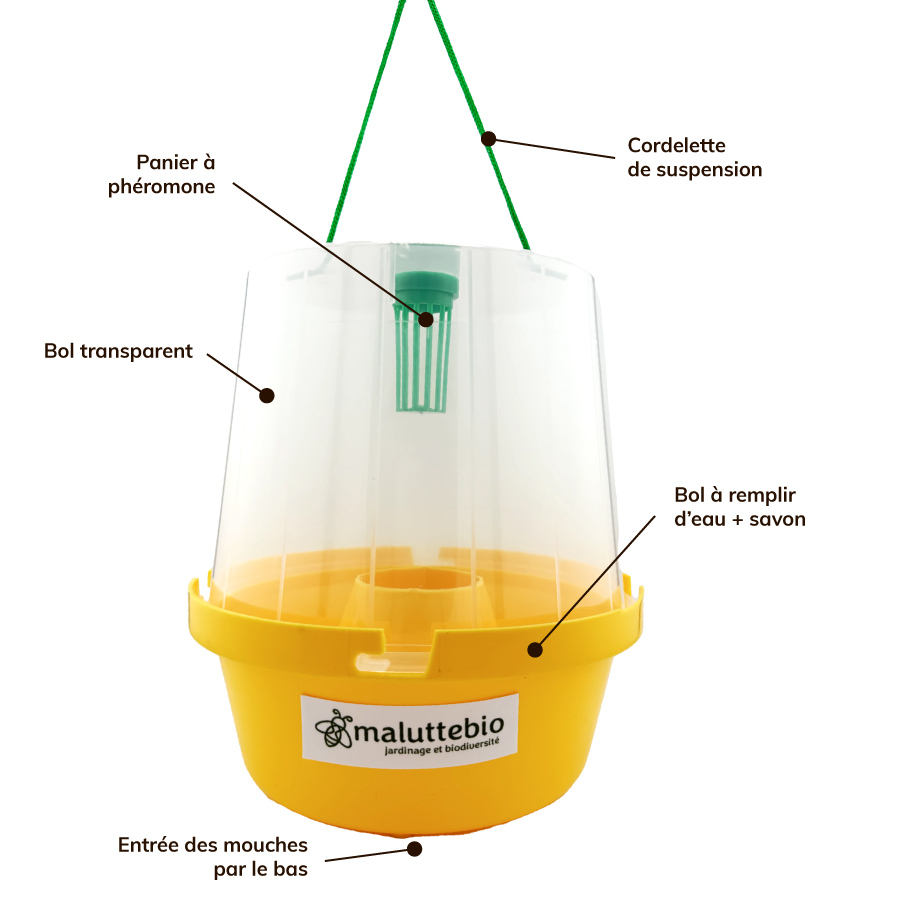
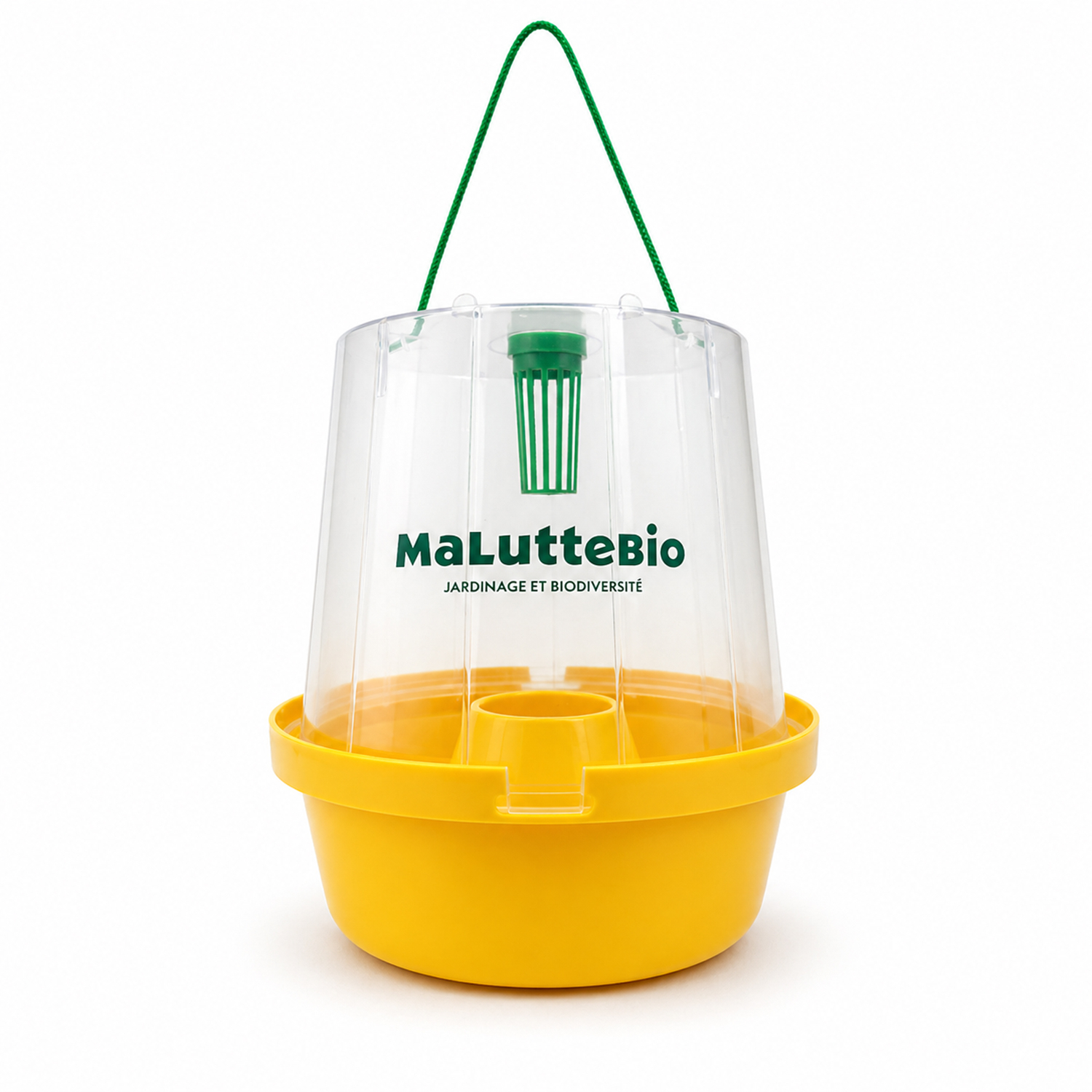
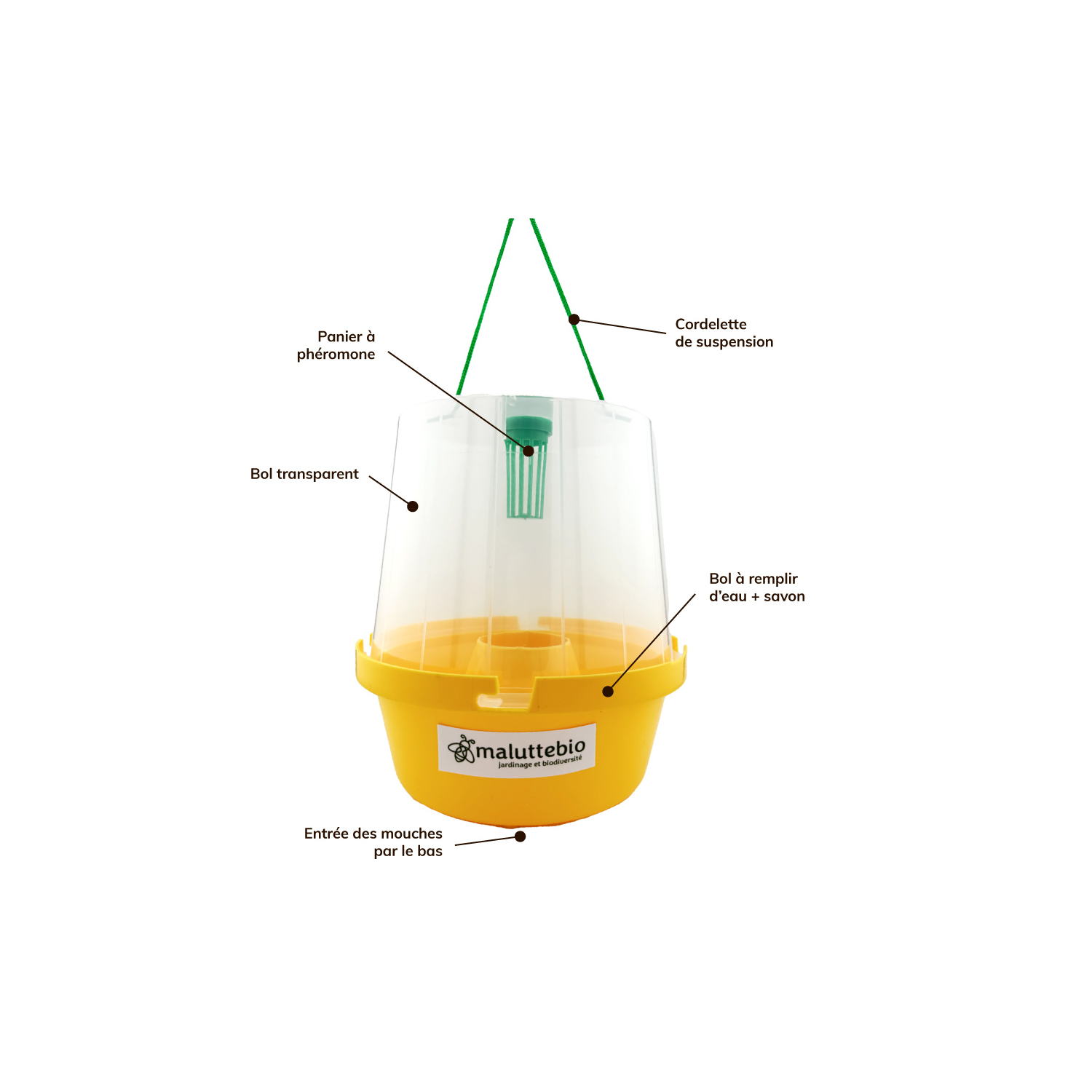
The pheromone capsule is designed to be inserted into the basket of the pheromone trap. Once in place, it slowly releases the sexual pheromone that attracts the target species' males. These males are then captured in the soap-water filled bowl, reducing the population of available males for reproduction.

This method is selective and targets only the males of the targeted species, preserving beneficial insects like bees. The capsule’s effectiveness depends on proper storage and placement in a suitable environment, sheltered from wind and at the height of the branches.

How to Use the Pheromone Capsule?

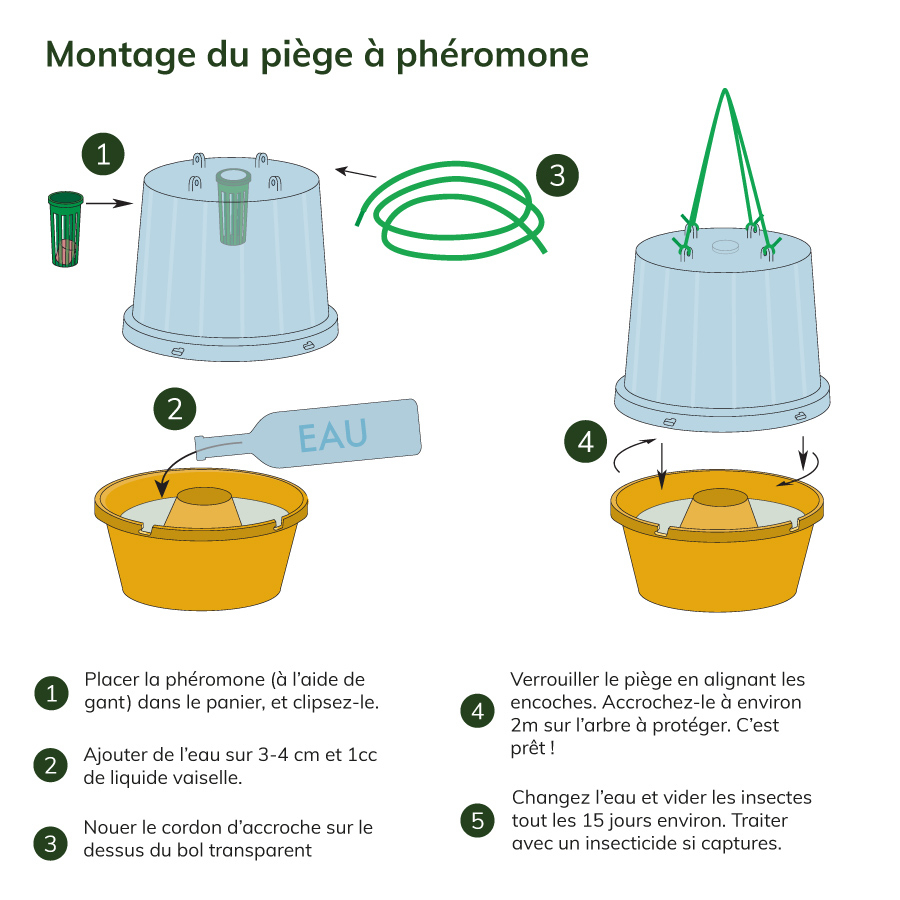
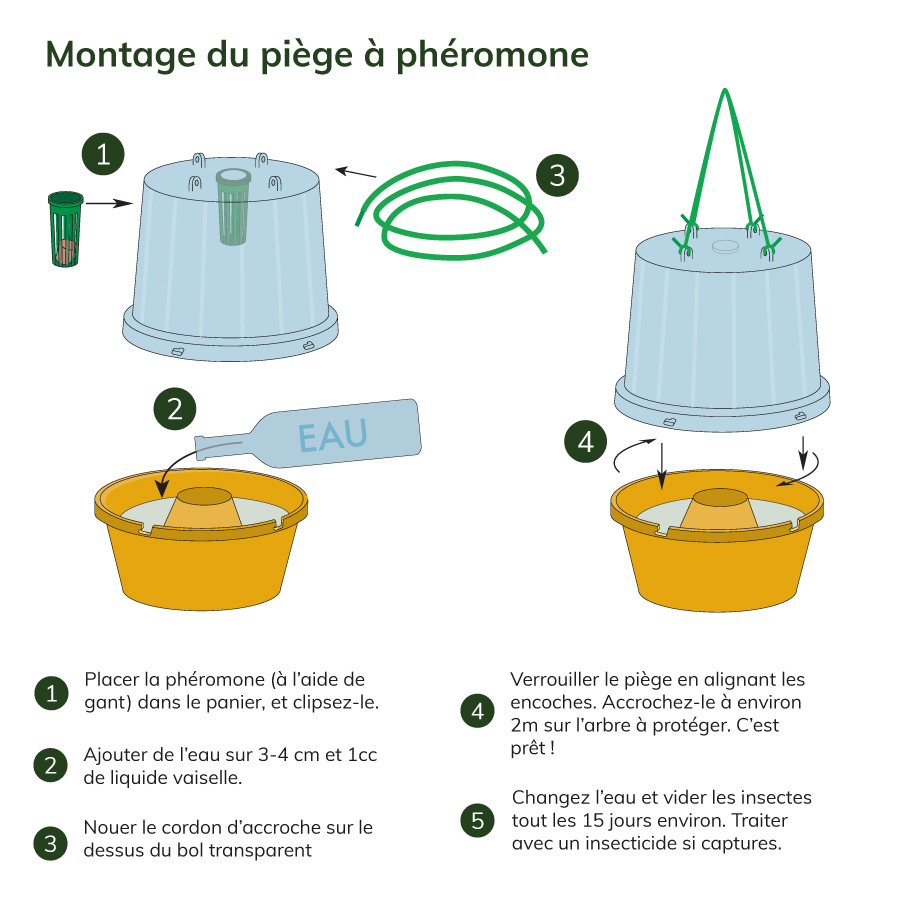
1

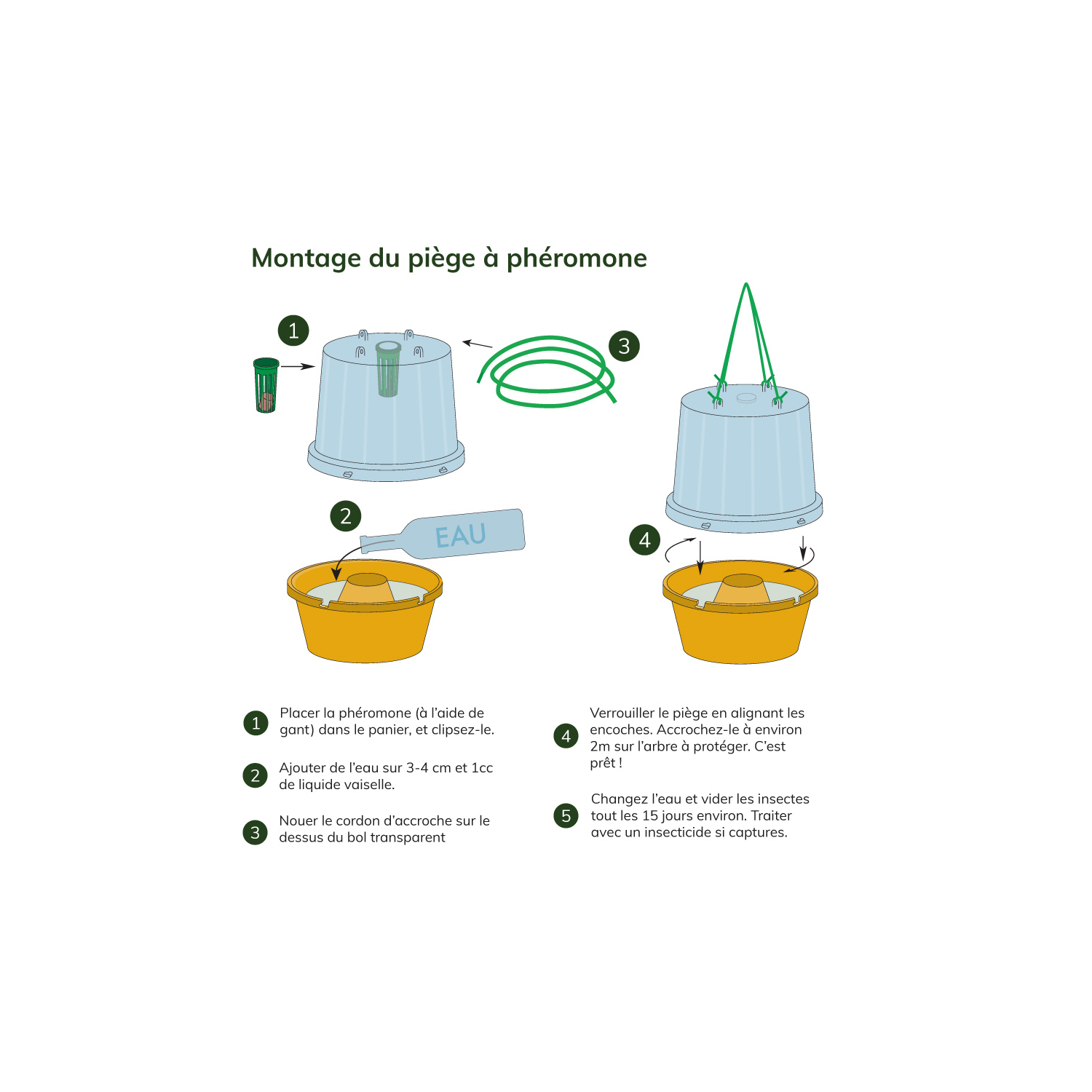
Insert the capsule into the basket of the pheromone trap, ensuring it is well positioned and stable.

2

Fill the trap bowl with soapy water to ensure the capture of flies attracted by the pheromone.

3

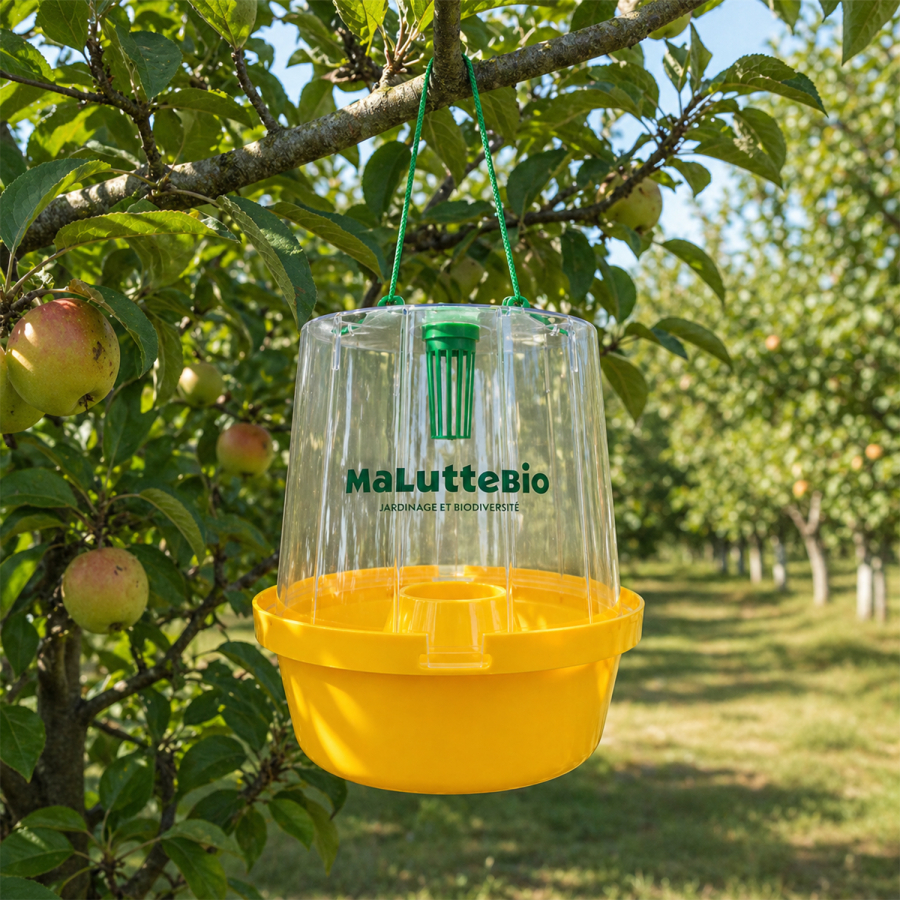
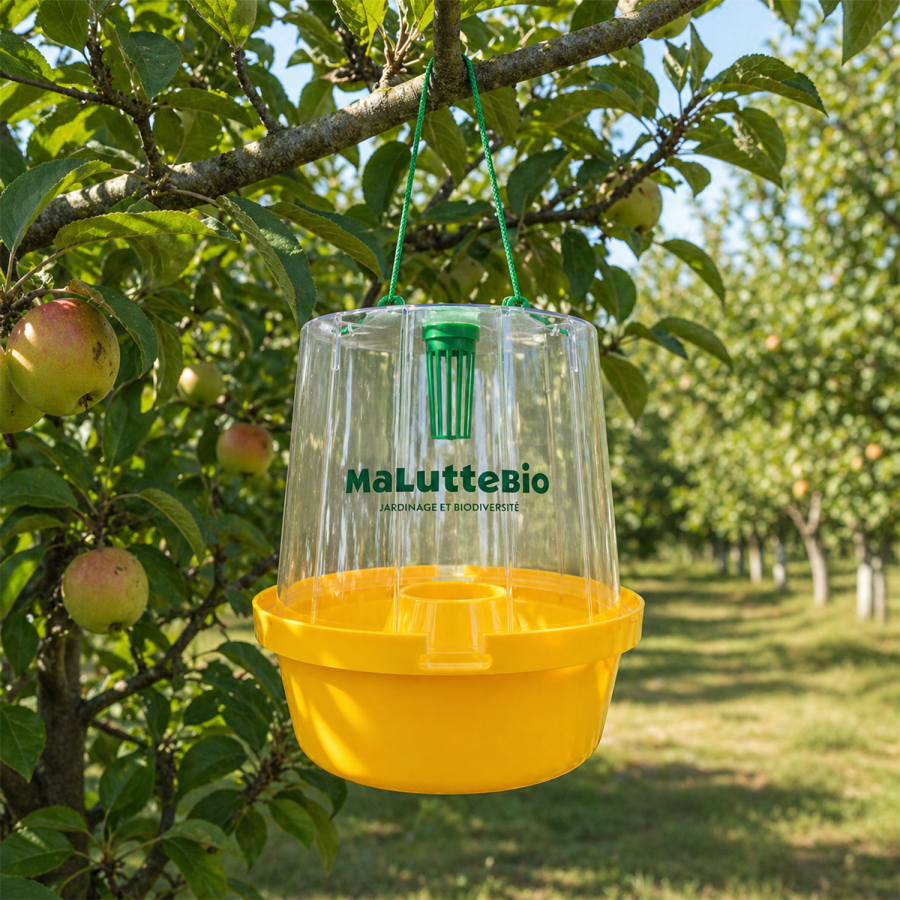
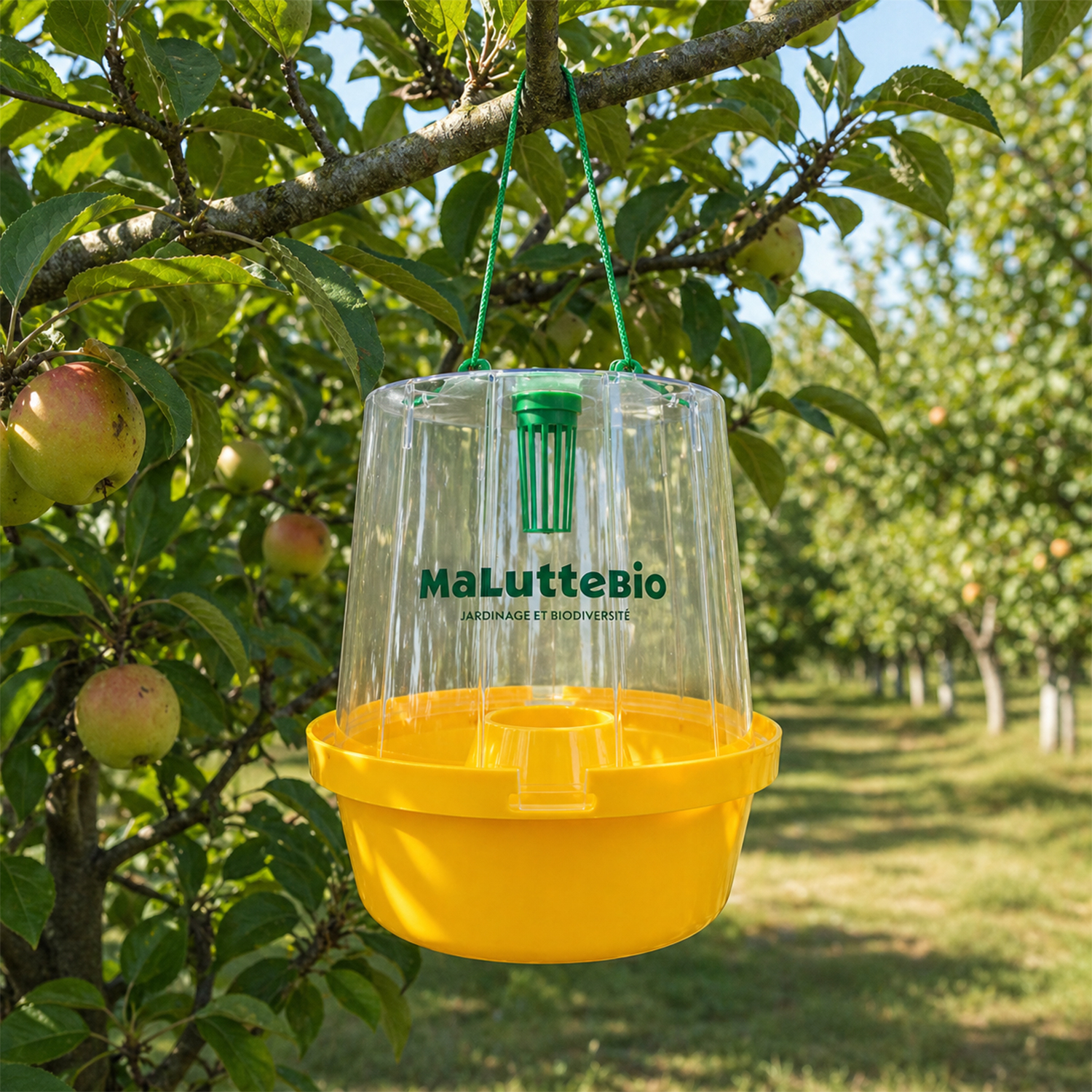
Hang the trap on a branch of the fruit tree, at leaf height and sheltered from direct wind for optimal diffusion.

4

Regularly check the level of soapy water and renew it if necessary to maintain the trap’s effectiveness.

5

Monitor the captures: if you observe between 2 and 5 flies per week, consider applying a biological insecticide to protect your harvest.

6

Store unused capsules in the refrigerator to preserve their effectiveness until use.

Recommended Usage Calendar

Jan
Feb
Mar
Apr
May
Jun
Jul
Aug
Sep
Oct
Nov
Dec
Optimal use
Possible use

Avis clients

0,0/5
Basé sur 0 avis

No, the pheromone capsule is sold separately. This trap is designed to accommodate all pheromone capsules on the market. Choose the capsule suited to the species of fly you want to target, such as the cherry fly, olive fly, or Mediterranean fruit fly.

No, this pheromone capsule is specific to each fruit fly species. It targets only the males of the targeted species, leaving bees and other beneficial insects unharmed.

For optimal effectiveness, it is recommended to use one capsule per trap. However, the number of traps to install per tree may vary depending on the size of your orchard and the intensity of the infestation. Refer to the instructions provided with your capsule or contact our team for personalized advice.

The pheromone trap helps monitor and reduce the male population. If you capture between 2 and 5 flies per week, this indicates an advanced infestation. In this case, applying a biological insecticide on your fruit tree may be necessary to protect your harvest. The trap acts preventively and for monitoring, while the insecticide intervenes when needed.

To preserve the effectiveness of the pheromone capsules, it is essential to store them in the refrigerator, away from light and heat. Improper storage can reduce their lifespan and their ability to attract males.

While some species like the Mediterranean fruit fly (Ceratitis capitata) can be active year-round in warm regions, it is generally recommended to start using it in spring (March–April) to target the first emergences. Adapt the usage period according to the specific life cycles of the species present in your region.

Loading...