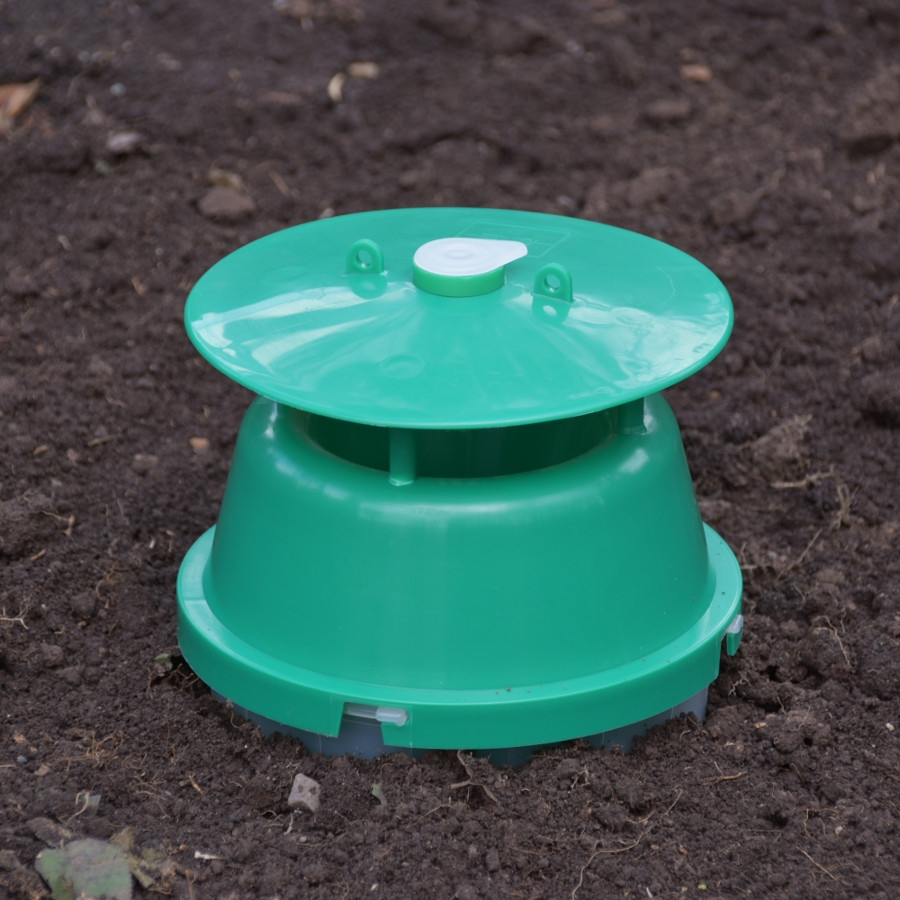
Pheromone Trap for Click Beetles

Excellent +1800 avis sur Société des AVIS GARANTIS

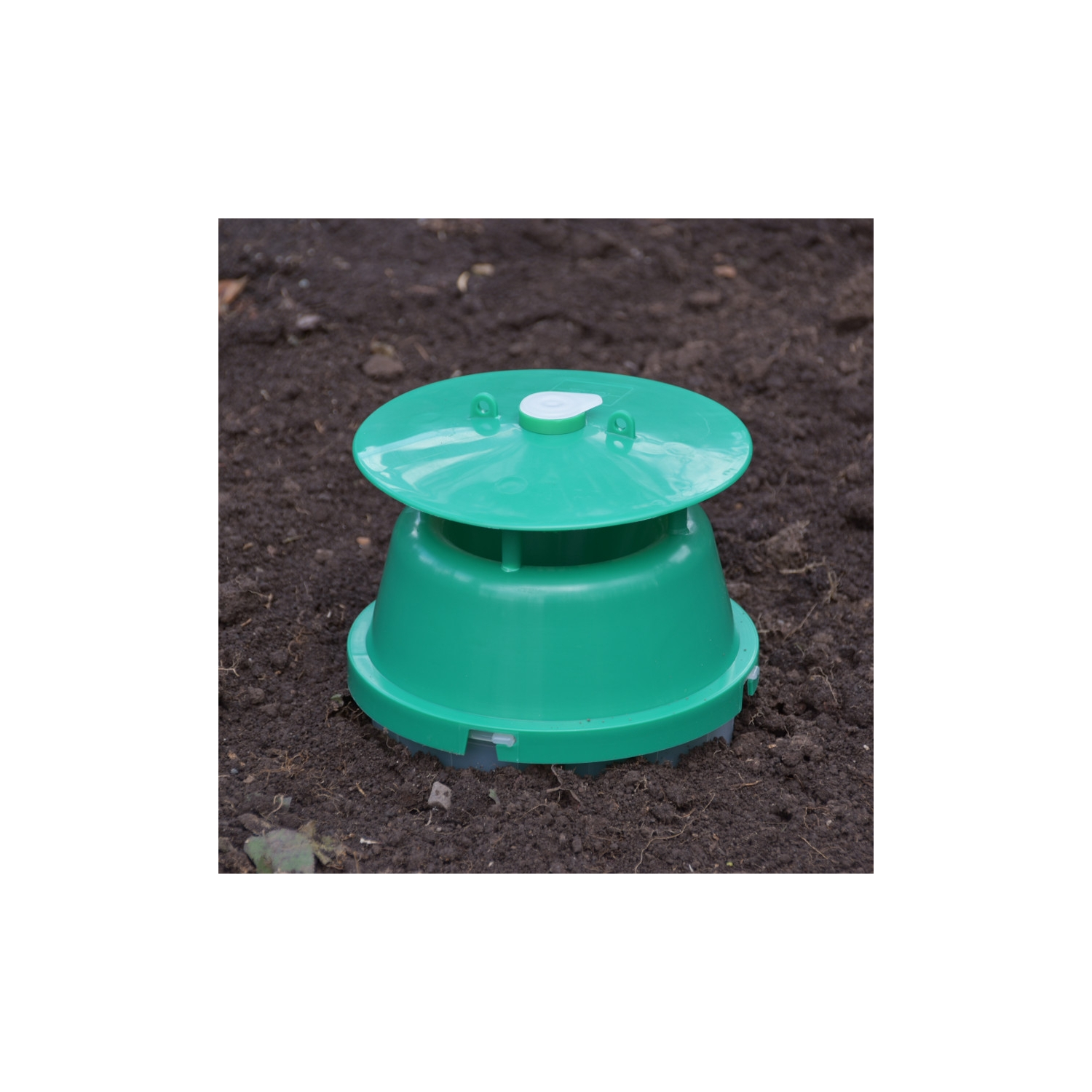
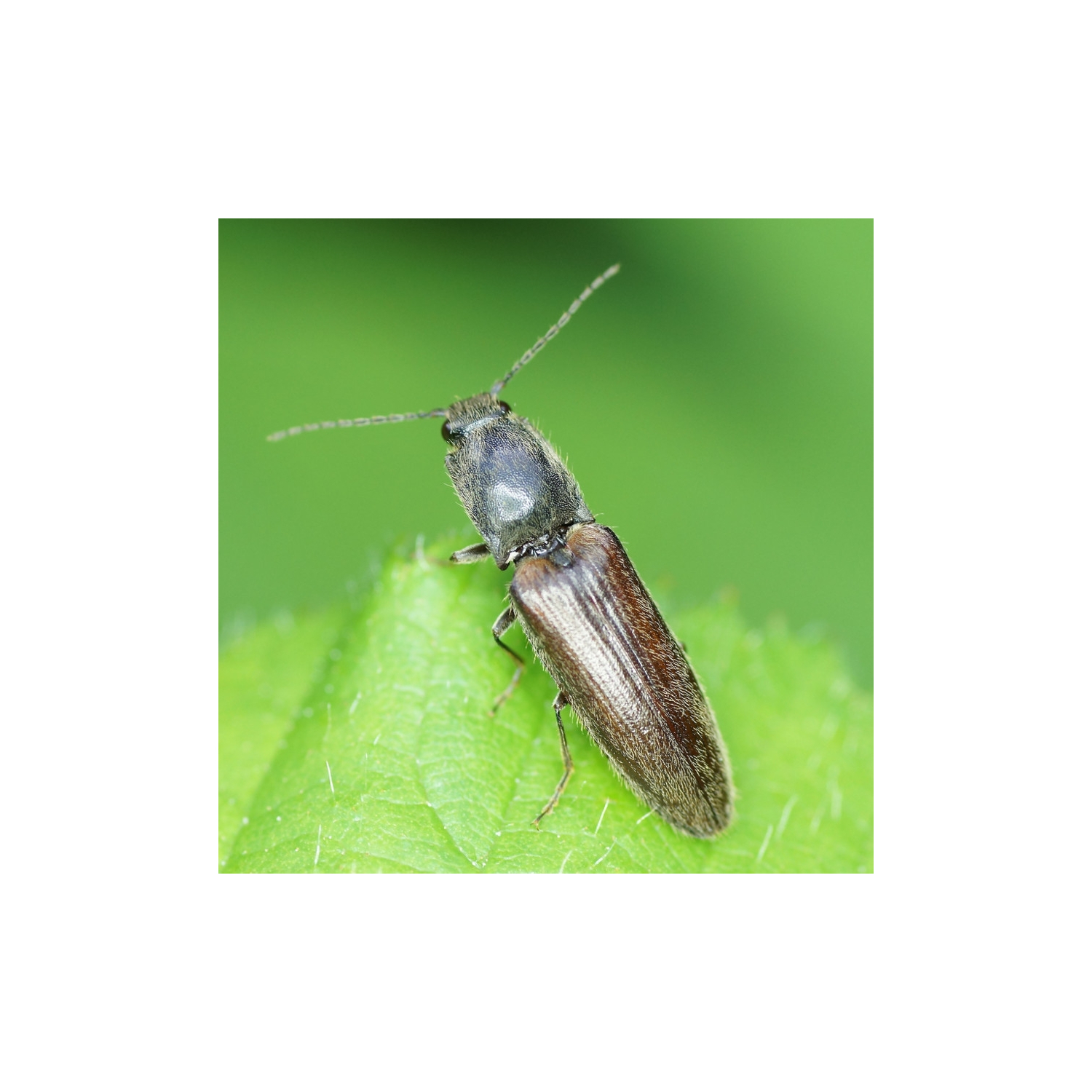
Pheromone capsule specifically designed to attract and capture male click beetles (Agriotes spp.), responsible for damage to your vegetable crops. Place it in a buried click beetle trap near the soil surface to limit reproduction and reduce the number of 'wireworm' larvae in your soil.

  • Attracts male click beetles with a specific pheromone
  • Reduces reproduction and limits damage from larvae
  • Simple to use with a click beetle trap
  • Protects potatoes, tomatoes, and other fragile crops
  • Visible results starting from the following season
€12.42
Delivered in approx. 1 to 3 days Delivered in approx. 1 to 3 days
100% secure payment 100% secure payment

Essentials for you:

Click beetle pheromone
  • Up to 6 weeks of diffusion
  • Used with a pheromone trap
  • Detection and monitoring of click beetle flights
€5.36

Pheromone Trap for Click Beetles: Protect Your Crops Naturally

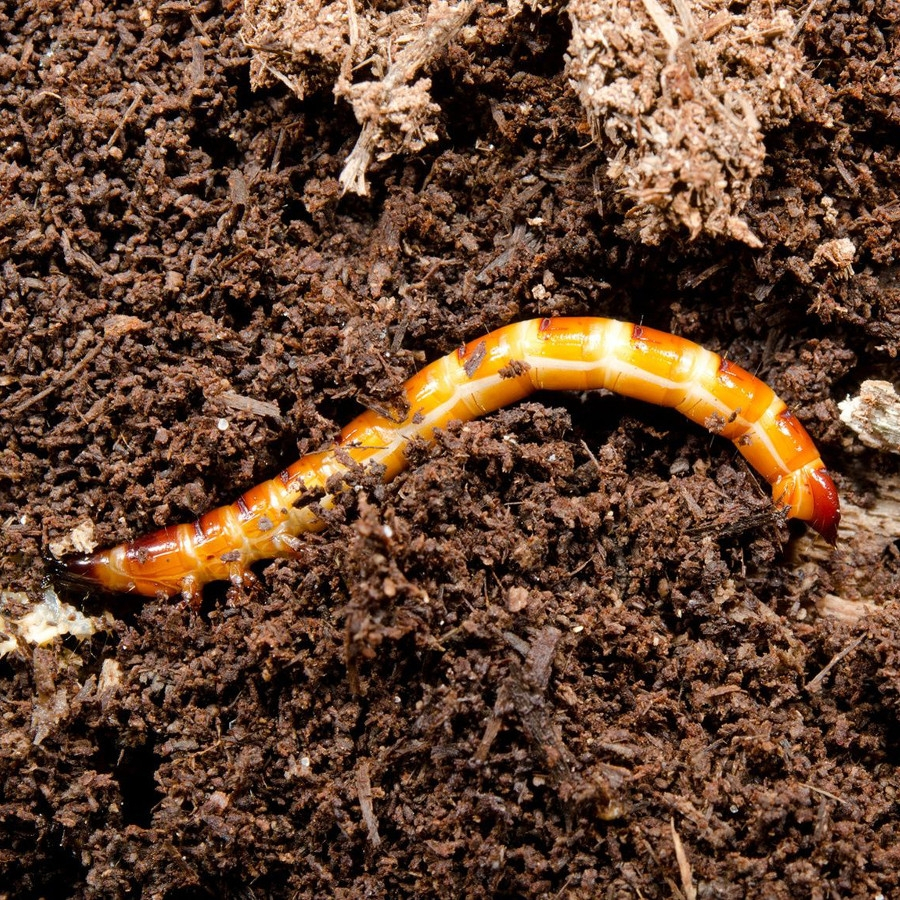
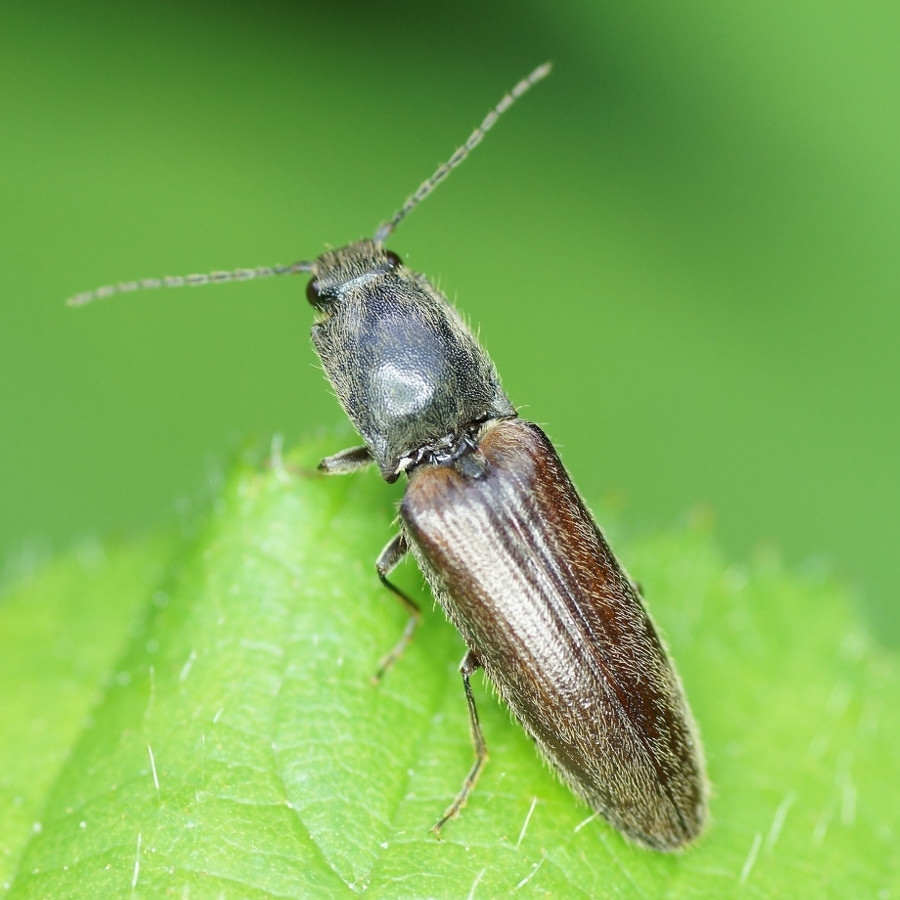
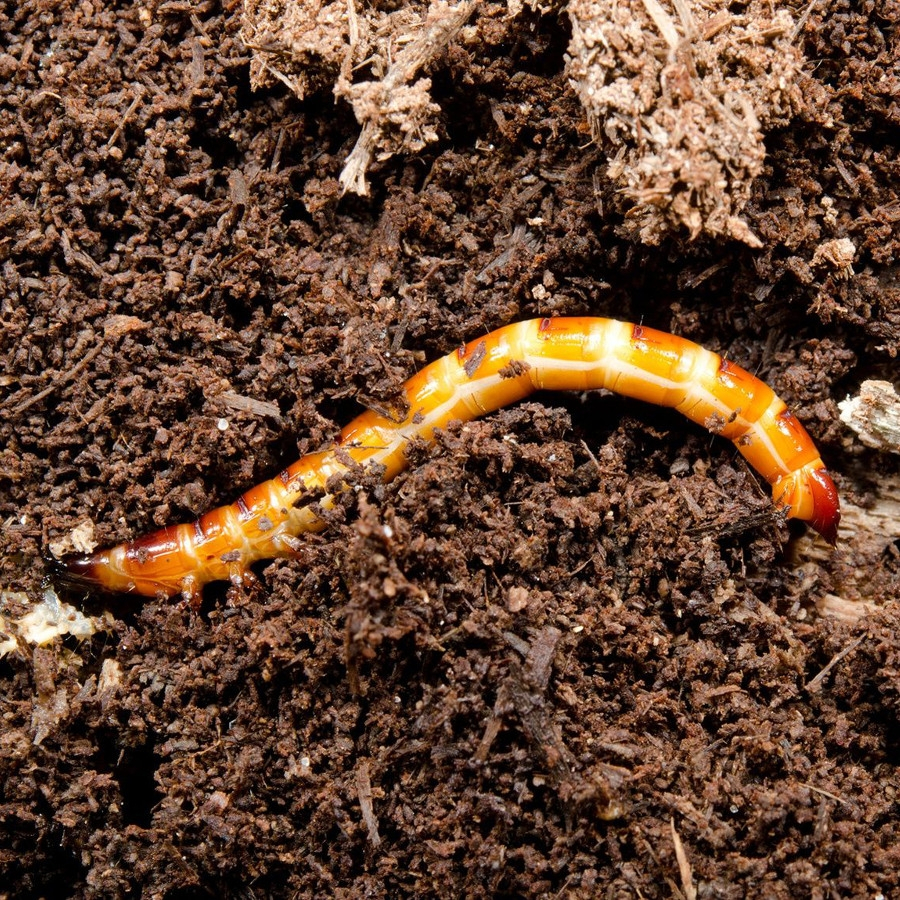
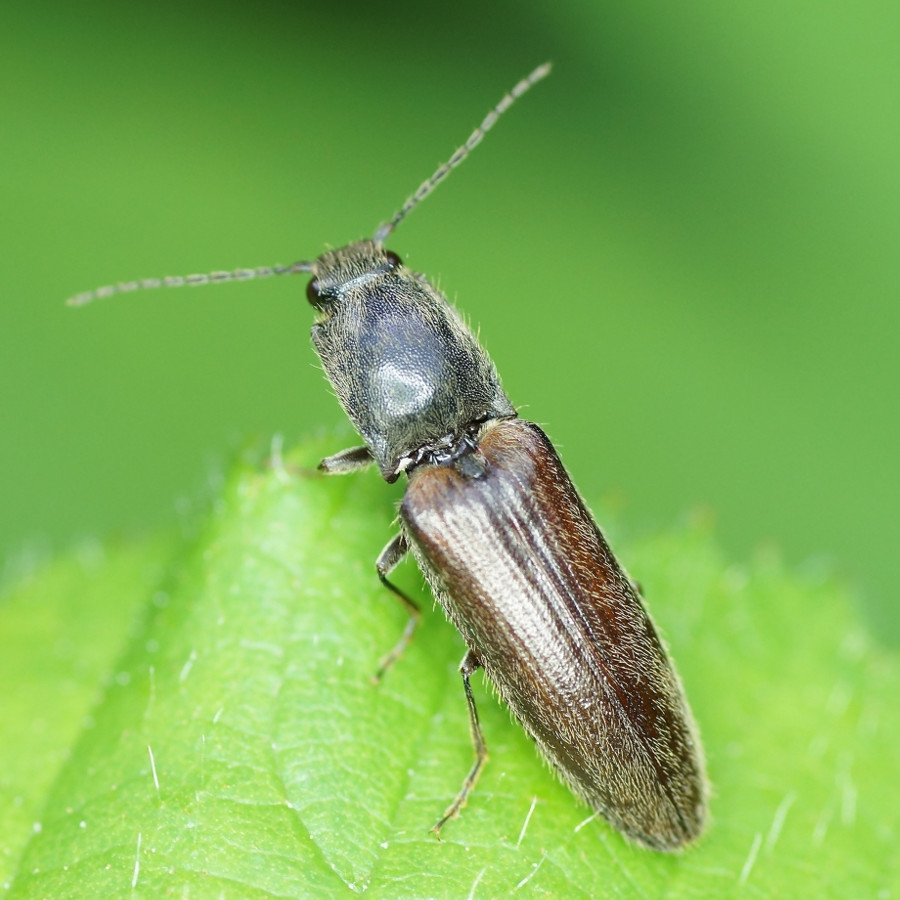
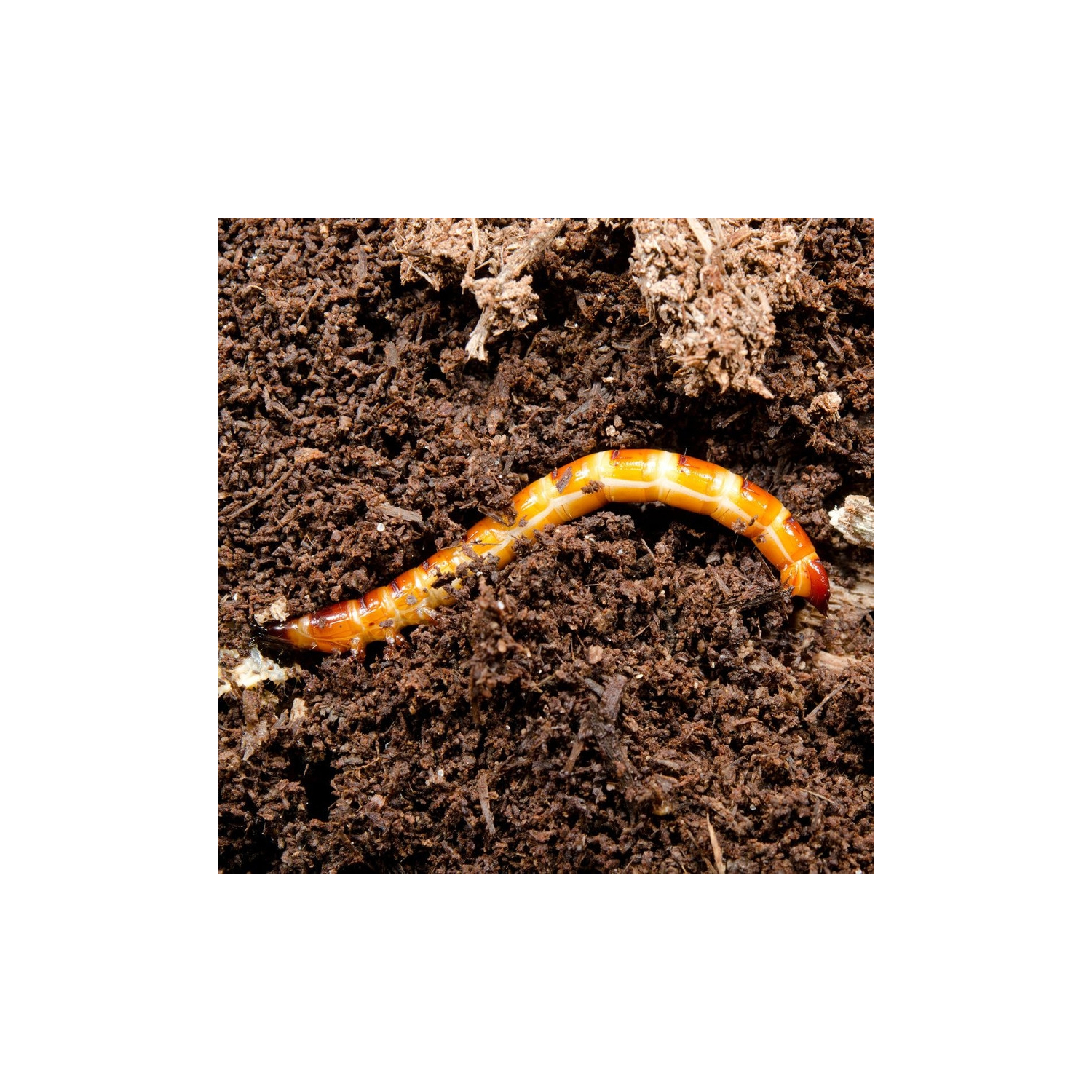
Click beetles (Agriotes spp.) are dreadful pests for vegetable crops like potatoes, tomatoes, lettuces, onions, or beets. Their larvae, known as 'wireworms,' damage plant stems, germinating seeds, and tubers. To limit their proliferation, a biological and effective solution exists: the pheromone trap for click beetles.

This system relies on a pheromone capsule that specifically attracts male click beetles. By capturing them before they mate with females, the trap significantly reduces egg-laying and, consequently, the number of larvae in the soil. Simple to set up, this method perfectly fits a natural gardening approach.

How to Recognize a Click Beetle Infestation in Your Garden?

  • Visible damage on plant stems (torn or gnawed)
  • Damaged or rotting tubers or roots on the surface
  • Young plants that do not regrow after germination
  • Presence of small black wireworm larvae in the soil after watering or tilling
  • Adult click beetles observed at night, attracted by light or flying low

Life Cycle of Click Beetles and Impact on Your Crops

Adult click beetles spend the winter in the soil before emerging in the spring. These larvae feed on roots and plant tissues, weakening or destroying plants.

The complete life cycle of click beetles can span several years, with successive generations depending on climatic conditions. Early and targeted intervention, such as using pheromones, is therefore essential to break this cycle and protect your crops.

Mode of Action and Effectiveness of the Pheromone Trap

The pheromone capsule emits a specific chemical signal that attracts male click beetles. These are then captured in the trap, preventing mating with females. This method drastically reduces the number of eggs laid and, consequently, the development of larvae in the soil.

The trap must be buried near the soil surface for optimal effectiveness. Using this trap is part of a preventive strategy and complements other biological control methods.

How to Use the Pheromone Trap for Click Beetles?

1

Insert the pheromone capsule into the click beetle trap following the manufacturer’s instructions.

2

Bury the trap near the soil surface in areas where click beetles are present or where crops are vulnerable.

3

Combine this method with other cultural practices such as mulching or crop rotation to enhance effectiveness.

4

Replace the pheromone capsule regularly to ensure continuous attraction of male click beetles.

Recommended Usage Calendar

Jan
Feb
Mar
Apr
May
Jun
Jul
Aug
Sep
Oct
Nov
Dec
Optimal use
Possible use

Avis clients

0,0/5
Basé sur 0 avis

A used capsule will no longer effectively attract males.

Absolutely. The pheromone trap is a preventive and proactive method. By using it in the spring, you limit the reproduction of click beetles before they cause visible damage. It’s an excellent solution to protect your crops from the start.

Yes, the pheromone trap works perfectly with other practices such as crop rotation, mulching, or the use of beneficial nematodes. This holistic approach enhances the overall effectiveness of your natural protection strategy.

Loading...