Insecticide bio Pyrale du Buis 20g CP Jardin
    Box Tree Moth | 100% Natural Treatment – Bacillus Thuringiensis 🐛
    Box Tree Moth | 100% Natural Treatment – Bacillus Thuringiensis 🐛
    Box Tree Moth | 100% Natural Treatment – Bacillus Thuringiensis 🐛
Excellent +1700 avis sur Société des AVIS GARANTIS

Box Tree Moth Treatment with Bacillus thuringiensis 20g

Natural treatment based on Bacillus thuringiensis to effectively control box tree moth caterpillars. Targeted action on larvae, safe for beneficial insects and suitable for garden use.

Read more
  • Quickly eliminates box tree moth caterpillars
  • Natural treatment with Bacillus thuringiensis
  • Targets only box tree pests
  • Safe for beneficial insects
  • Approved for organic farming
  • One sachet treats up to 20 L

Choisissez et économisez

€9.08
In stock

Indispensables pour vous :

Universal Delta pheromone trap Maluttebio

Universal Delta pheromone trap Maluttebio

  • Professional quality
  • Universal trap: suitable for all pheromones
  • Place the pheromone directly on the sticky plate
€8.25
Universal pheromone trap “Funnel Trap”

Universal pheromone trap “Funnel Trap”

Want to effectively trap pests without insecticides? Discover a universal trap that is easy to use and reusable.

€10.83
Delivered within 2 to 3 days100% secure payment

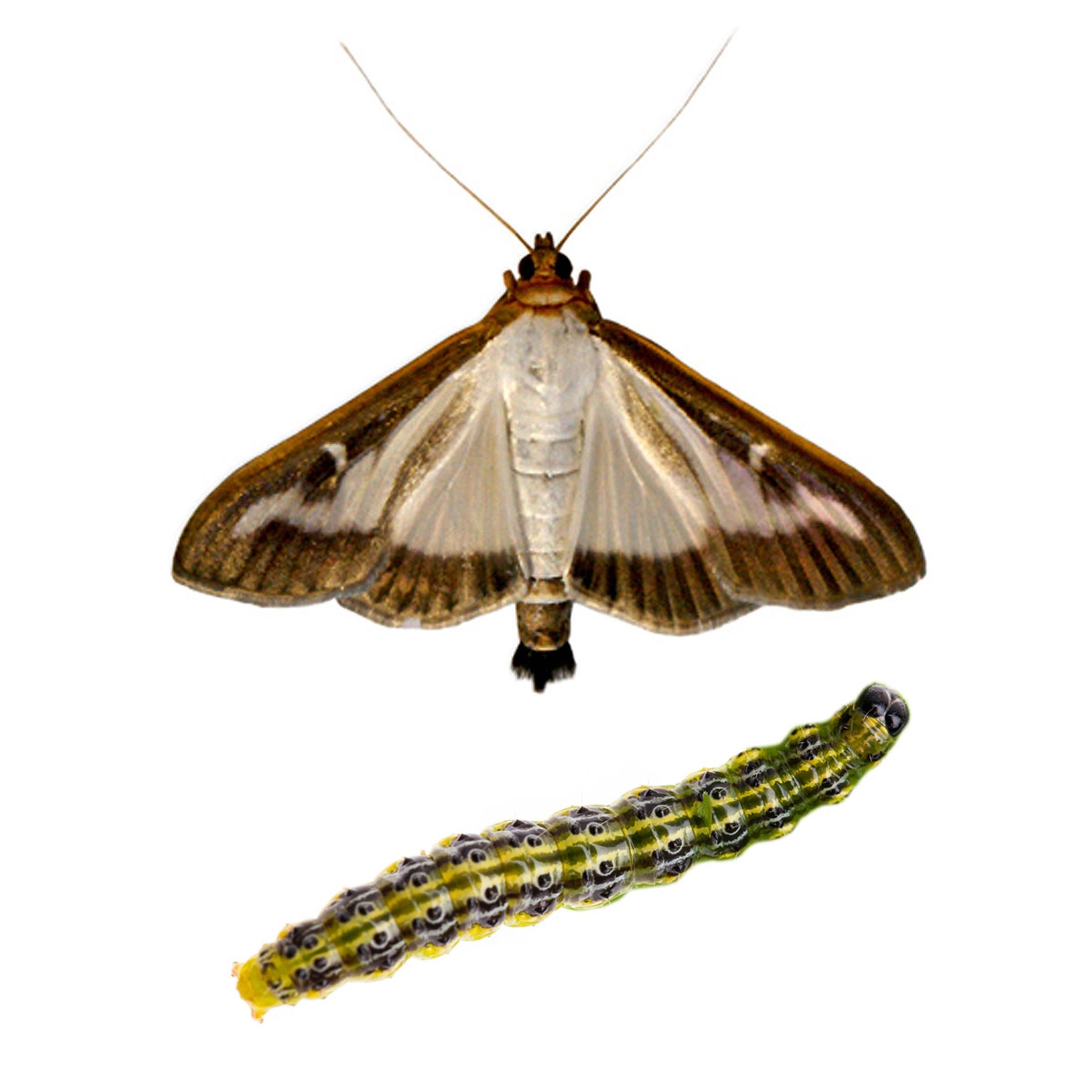
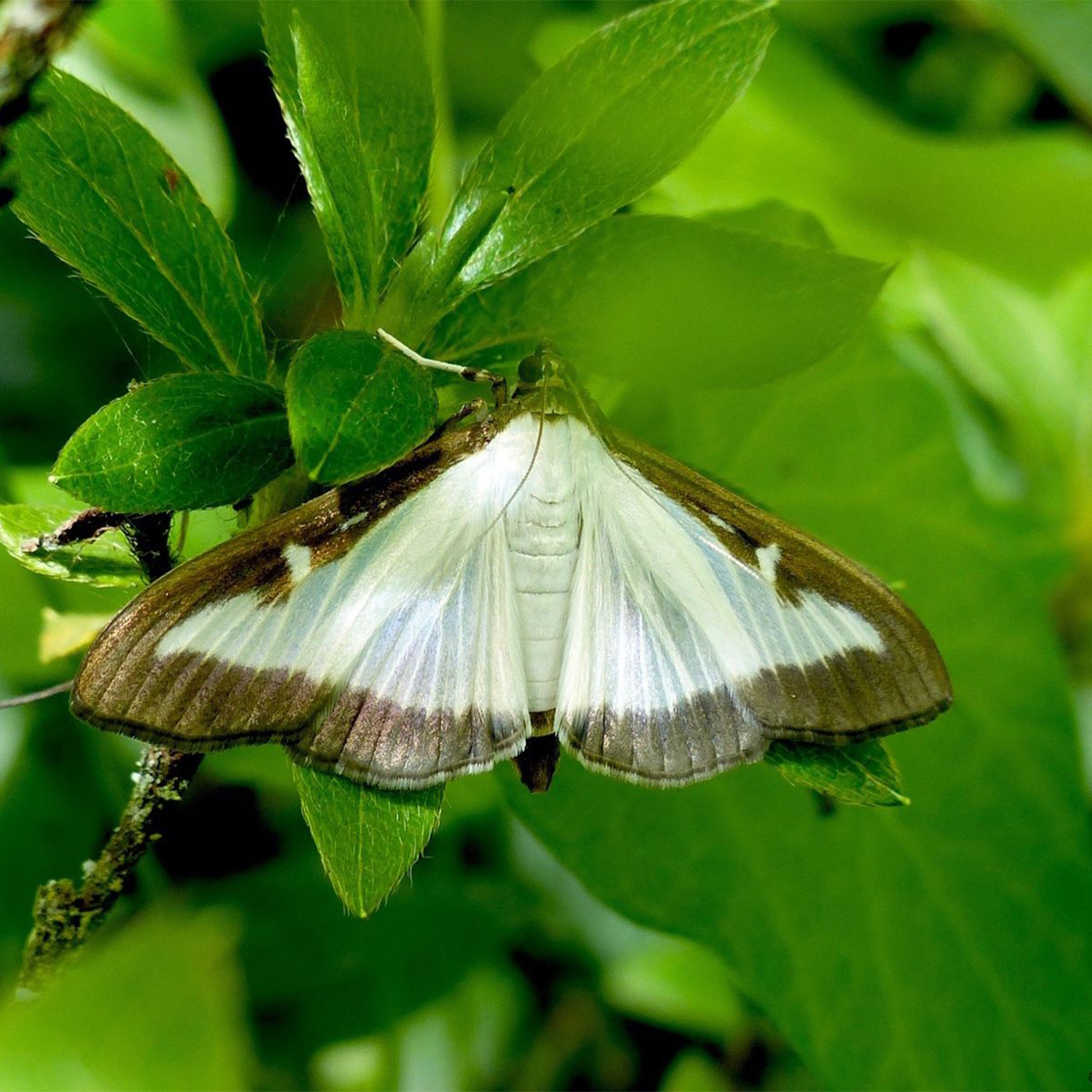
The box tree moth, a pest from Asia

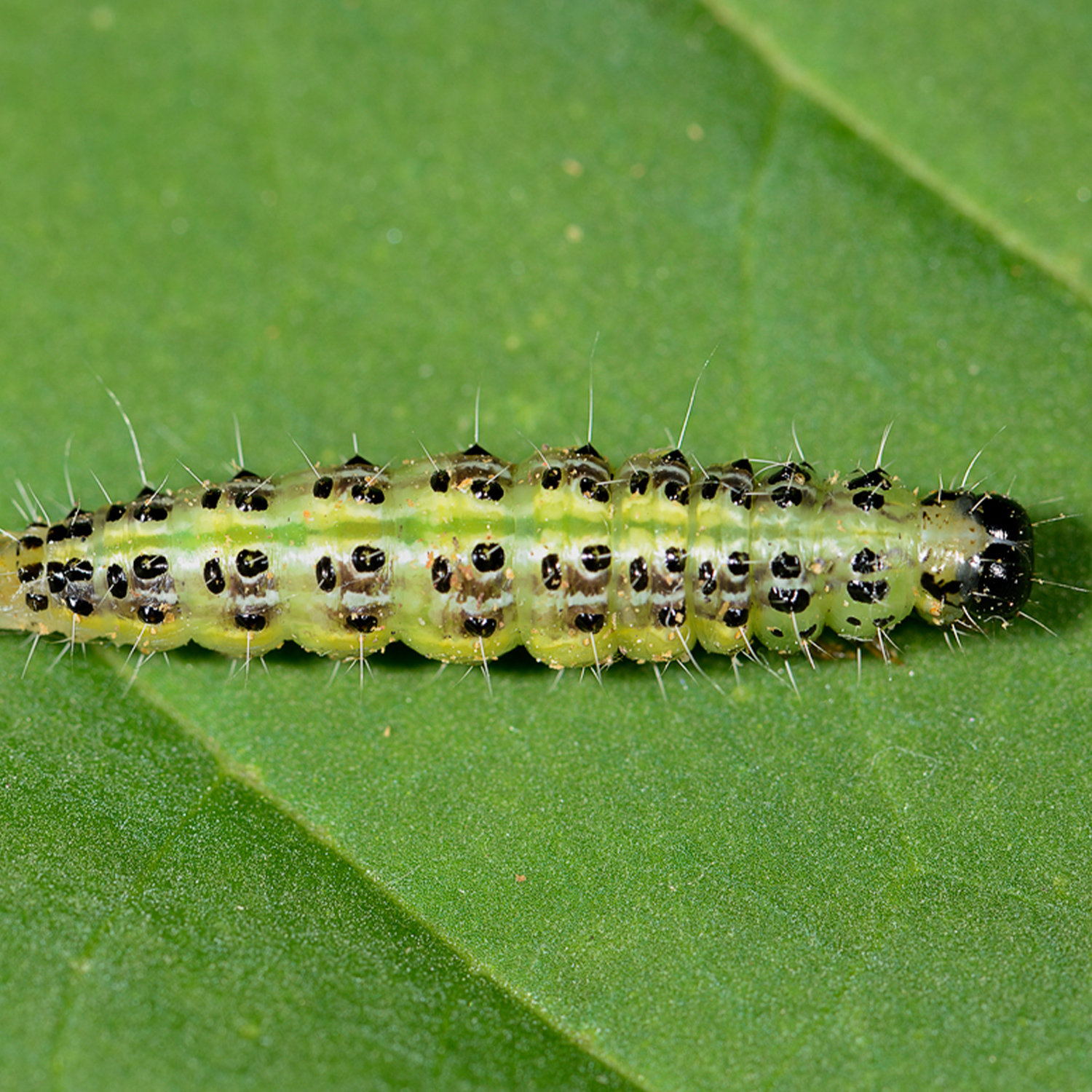
The box tree moth (Diaphania perspectalis) is a lepidopteran insect whose caterpillar devours box leaves, leading to a rapid weakening of the shrub).

Box tree moth special CP Jardin acts specifically on caterpillars; after ingesting the foliage, the caterpillars stop feeding and are eliminated within a few days. Box tree moth special can be used at any time.

Application rate

Crops Insect Approved dose Recommended dose Max number of applications

Boxwood: treatment of above-ground parts

Box tree moth 1g/10 m2 1g / L /10m2 4 / year

How to use it?

  • Measure out the required quantity of product.
  • Dilute with a little water in the sprayer, then top up the water volume while mixing
  • Treat the entire vegetation carefully, thoroughly wetting both sides of the leaves
  • Shake the sprayer from time to time
  • Repeat the operation if necessary

When to use the box tree moth insecticide CP Jardin?

Use only when caterpillars are present on your boxwood.

J F M A M J J A S O N DIdealPossible

You might also like

La dose homologuée est de 1 g de BTK pour 10 m² de feuillage à traiter. Diluez d'abord le produit dans un peu d'eau, puis complétez le volume dans votre pulvérisateur. Un sachet de 20 g permet de traiter jusqu'à 200 m² de surface de feuillage. Référez-vous toujours à l'étiquette du produit pour confirmer le dosage.

Dès l'apparition des premières chenilles ou des premiers dégâts sur le feuillage, du printemps à la fin de l'été. Plus l'intervention est précoce, plus le BTK est efficace. Évitez de traiter juste avant une pluie : attendez une période sèche d'au moins quelques heures après l'application.

Le Bacillus thuringiensis kurstaki est un insecticide biologique spécifique aux chenilles de lépidoptères. Il n'est pas homologué comme dangereux pour les abeilles, les oiseaux, les chiens ou les chats. Il n'affecte pas non plus les vers de terre. Lisez cependant toujours l'étiquette avant utilisation.

La réglementation autorise 4 applications maximum par an sur les buis, à raison de 1 g pour 10 m² de feuillage. Renouvelez le traitement si des chenilles sont encore actives 8 à 10 jours après la première application, ou si une pluie importante est survenue peu après.

Cela dépend du stade des dégâts. Si les branches sont encore présentes et que seules les feuilles ont été dévorées, le buis peut reprendre après traitement. Si les tiges elles-mêmes sont atteintes, la récupération est plus incertaine. Dans tous les cas, traitez le plus tôt possible dès les premiers signes d'infestation.

Loading...