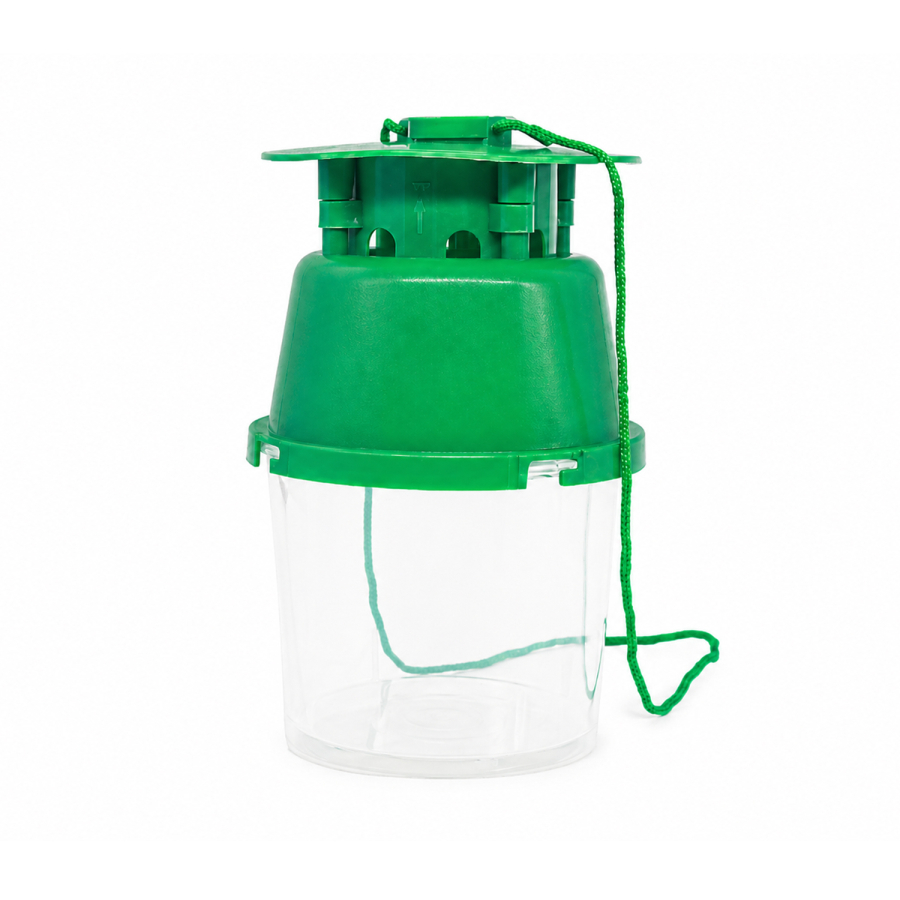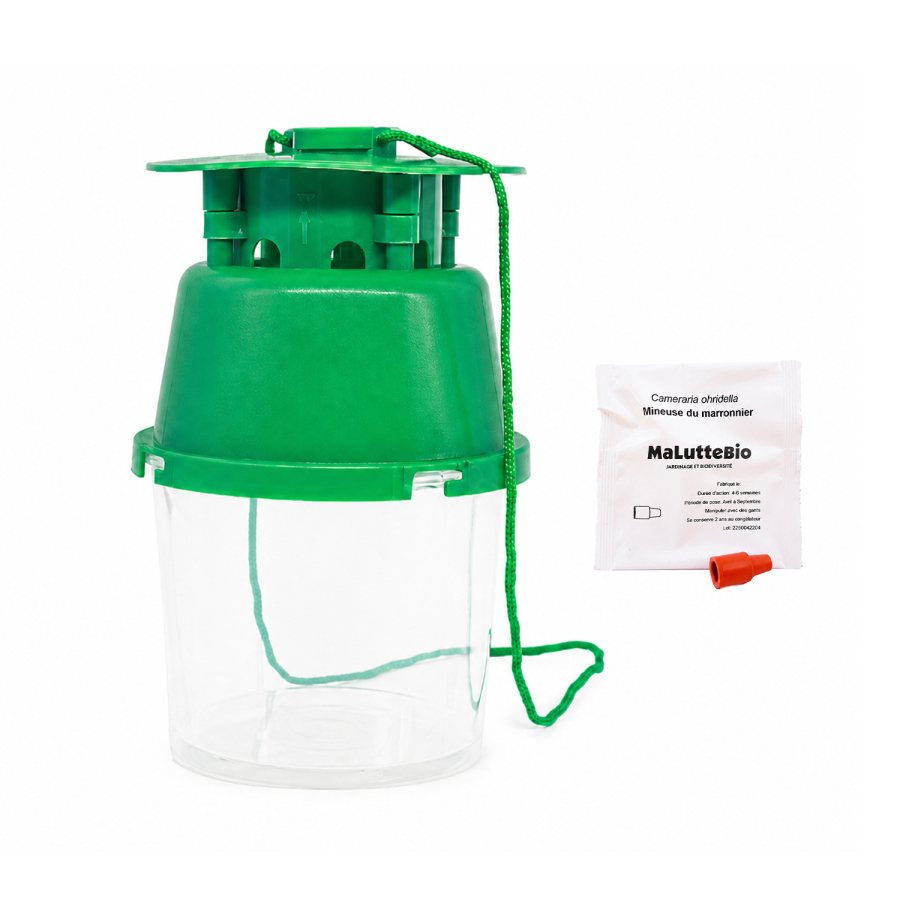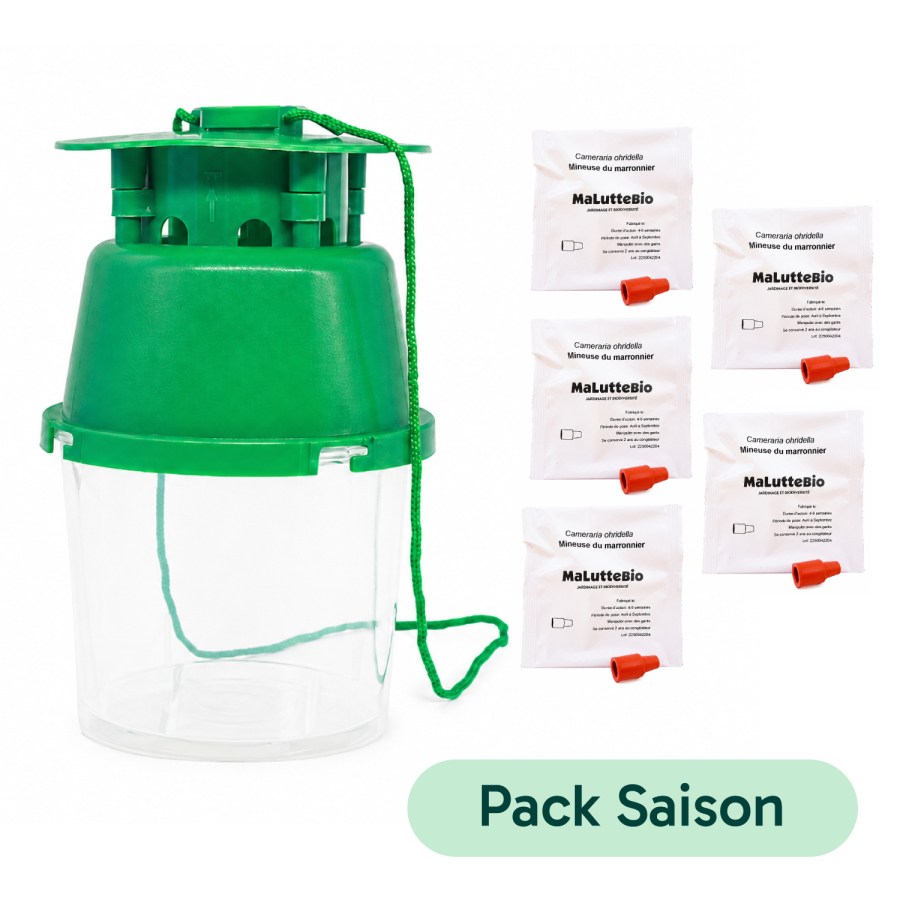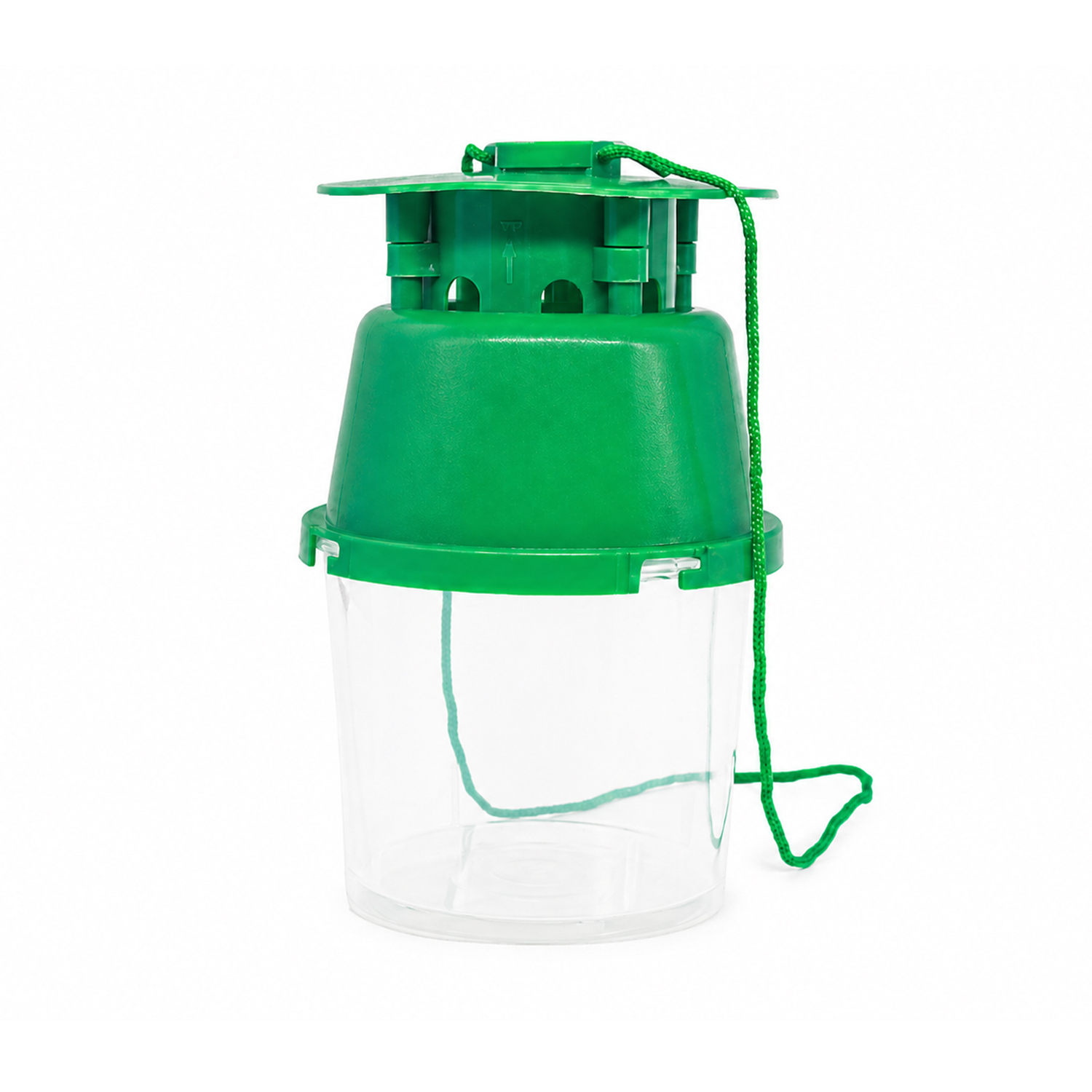
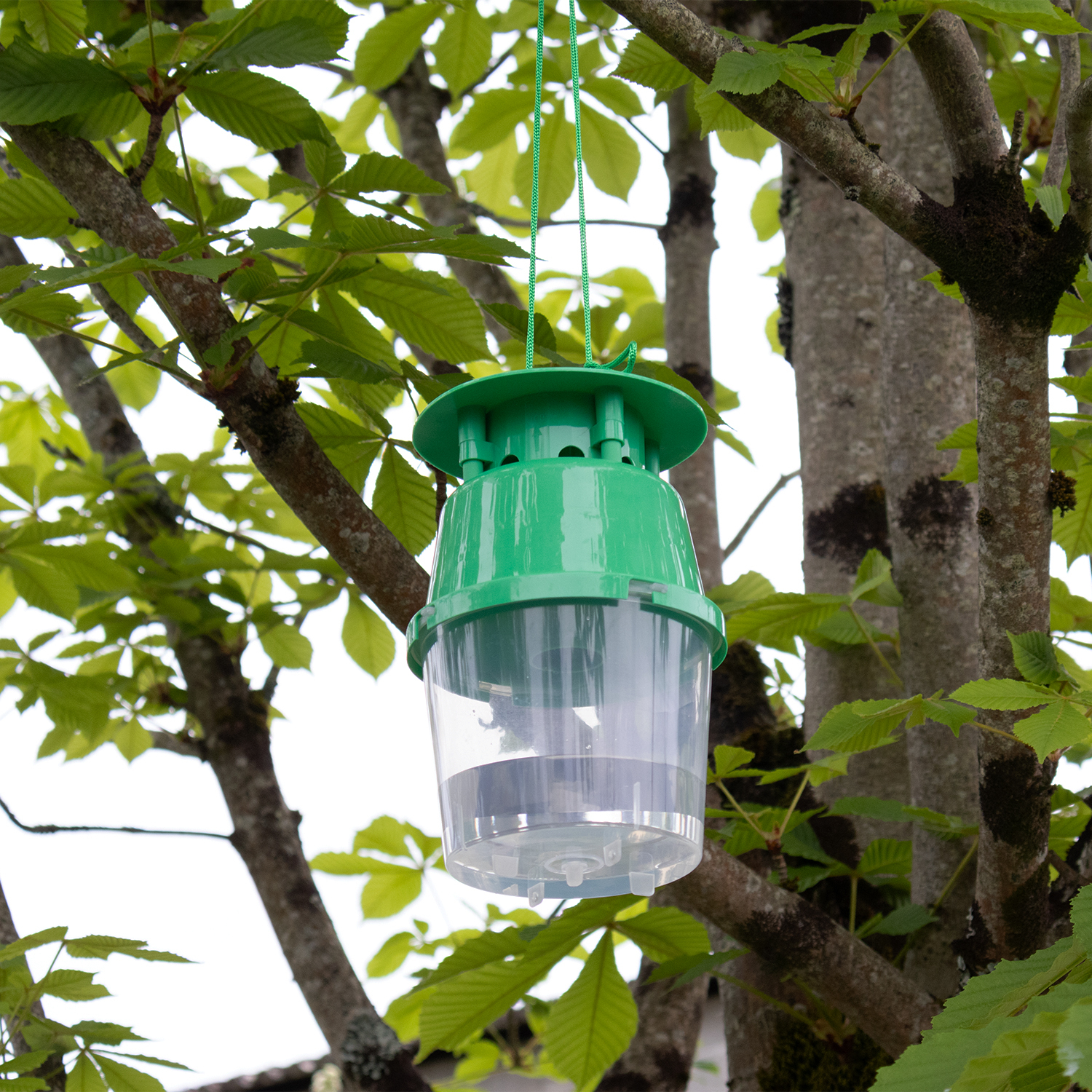
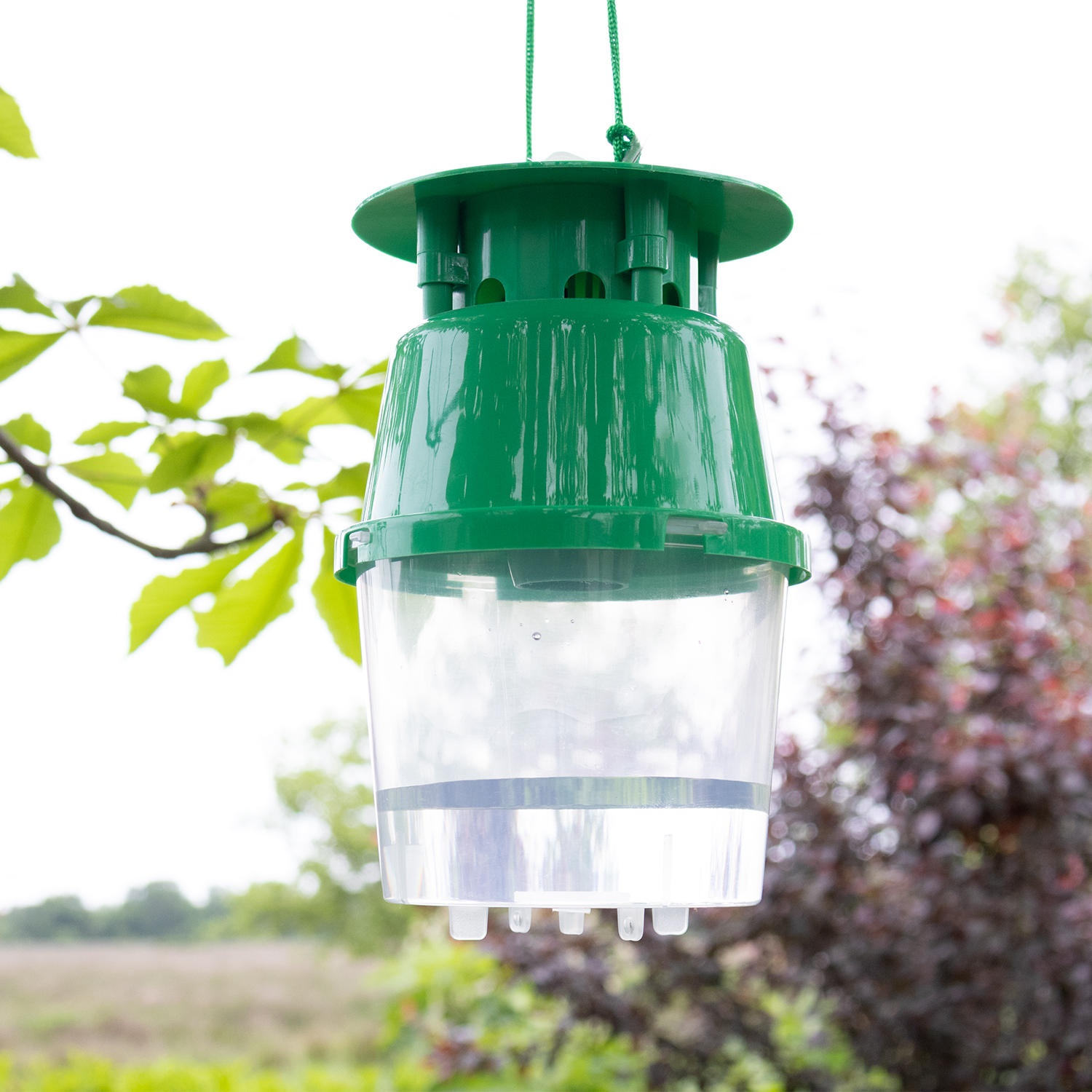
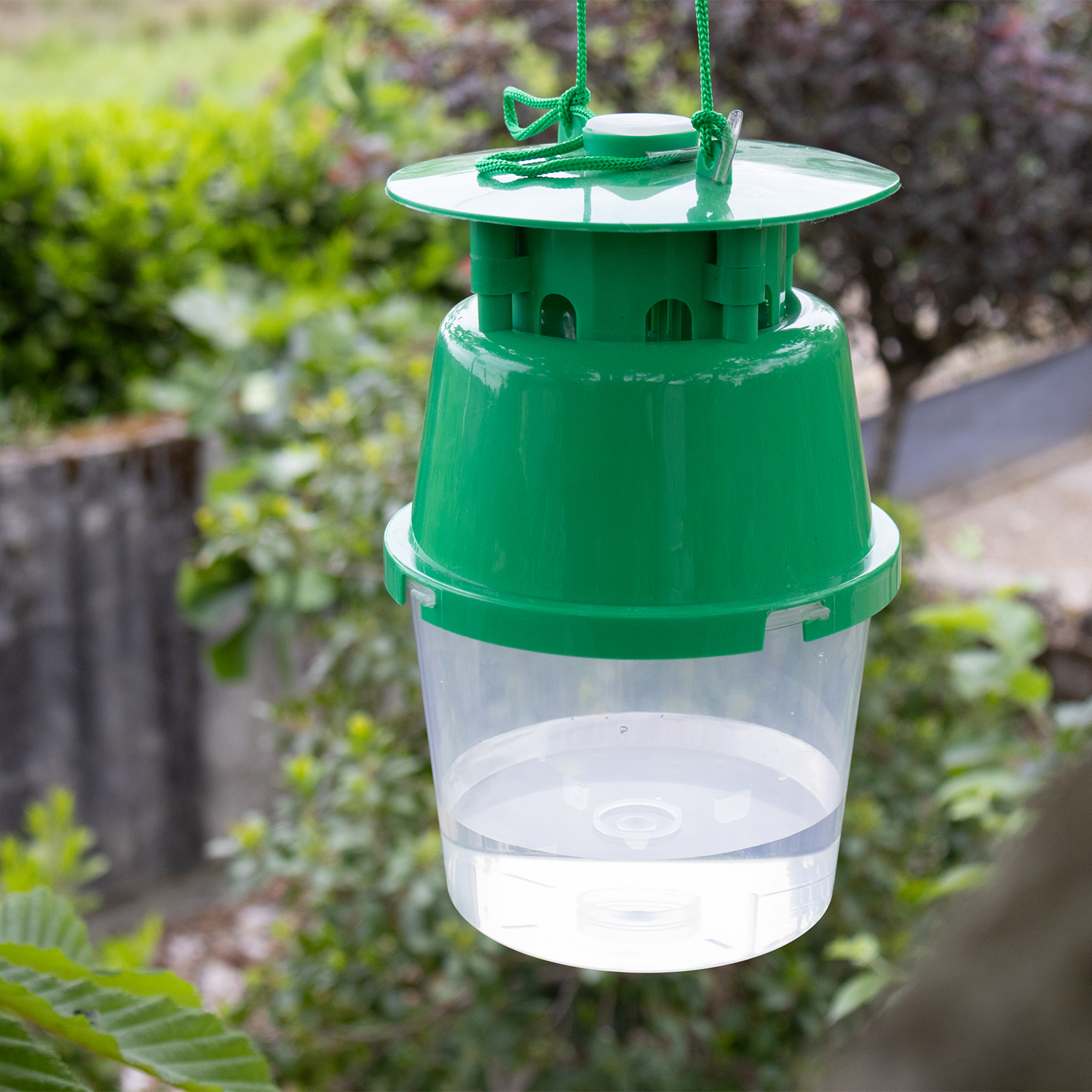
Special Hornbeam Leafminer Trap

Excellent +1800 avis sur Société des AVIS GARANTIS

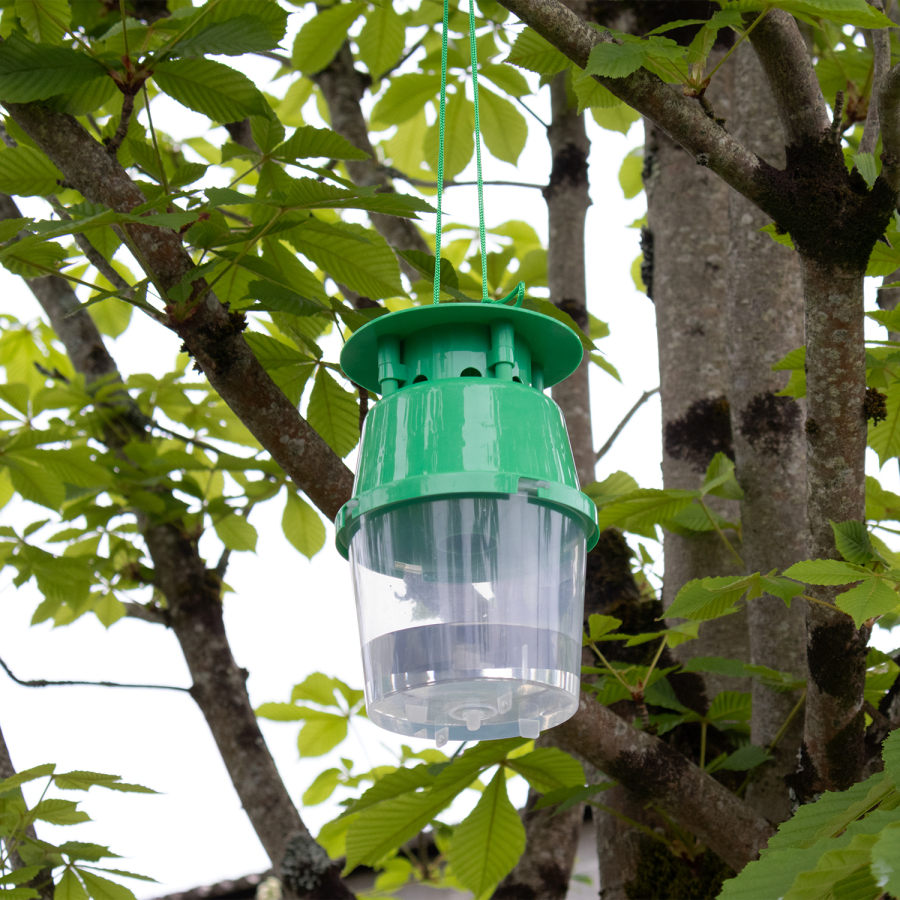
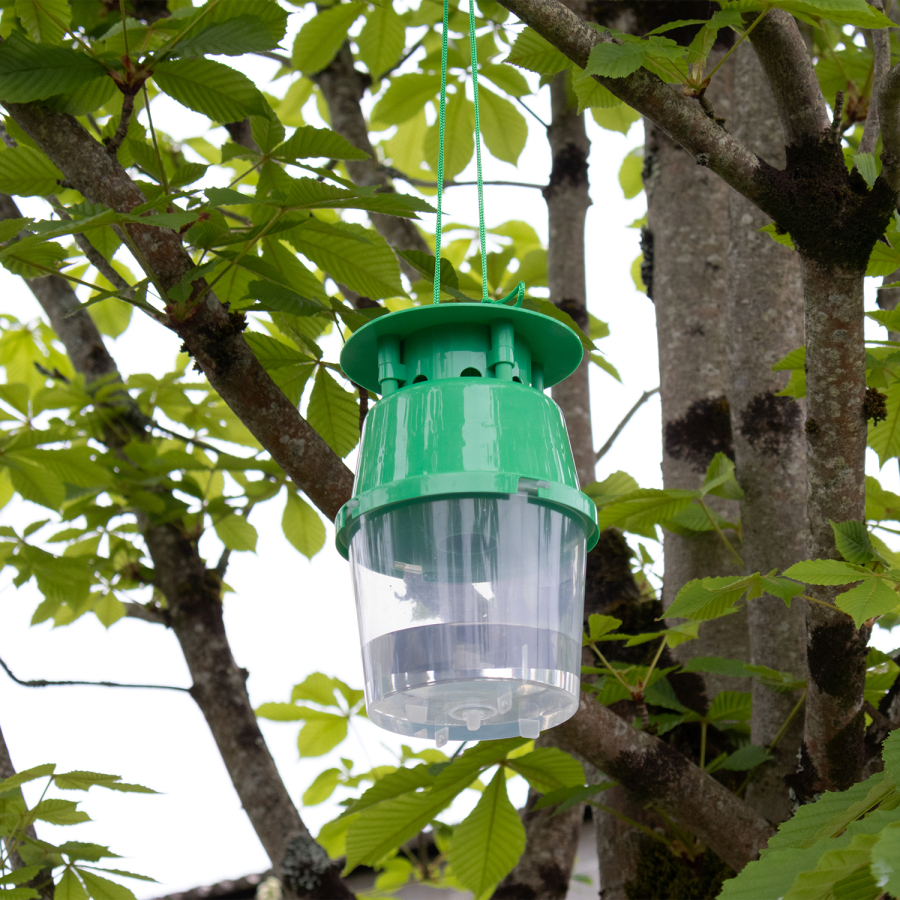
Specially designed trap to detect and monitor flights of Cameraria ohridella, the hornbeam leafminer, using an adapted pheromone. Suspend it on horse chestnut trees from spring onwards to track the pest’s activity and intervene at the right time with targeted biological treatments.

  • Monitor hornbeam leafminer flights starting from spring
  • Special trap with intermediate collar for optimized captures
  • Simple installation with included suspension rope
  • Use with Maluttebio pheromone for maximum effectiveness
1 Packaging
€9.92
Delivered in approx. 1 to 3 days Delivered in approx. 1 to 3 days
100% secure payment 100% secure payment

Special Hornbeam Leafminer Trap: Efficiently Monitor Cameraria ohridella Flights

The special hornbeam leafminer trap is an essential tool for detecting and tracking the activity of Cameraria ohridella, the butterfly responsible for aesthetic and functional damage to horse chestnut leaves. Designed for optimal capture, it allows for quick intervention and limits infestations before they spread.

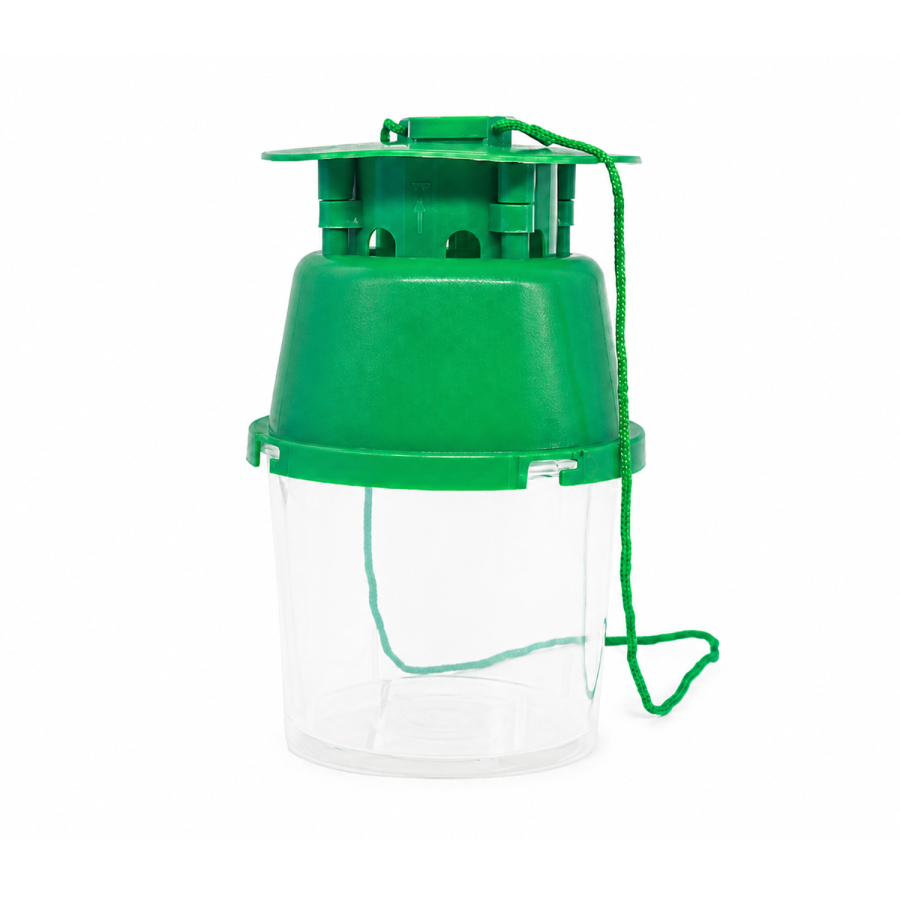
At Maluttebio, we selected this model for its innovative design, including an intermediate collar between the lid and the funnel. This feature significantly improves trapping performance, allowing the capture of thousands of butterflies per week—far more than standard funnel or Delta traps.

This trap is ideal for homeowners, professionals, park managers, campgrounds, estates, or arboretums looking to protect their horse chestnut trees in a simple and effective manner.

When and Why Use This Trap?

The hornbeam leafminer causes premature browning of leaves in spring or summer, affecting the appearance and vitality of trees. The trap helps identify flight periods quickly, confirm the presence of the pest, and monitor its activity throughout the season.

It is particularly useful for monitoring early spring flights, tracking successive generations, and reducing local adult pressure. This preventive approach allows anticipation of biological treatments, such as Bacillus thuringiensis, to target young larvae as soon as they emerge.

  • Detection of early spring flights of Cameraria ohridella
  • Tracking successive generations to adapt pest control strategies
  • Reducing adult pressure before they lay eggs
  • Monitoring alignments of horse chestnut trees or dense wooded areas

Life Cycle of Cameraria ohridella and Surveillance Importance

Cameraria ohridella is a butterfly whose adults primarily fly in spring and summer, with variable activity peaks depending on regions. Females lay eggs on horse chestnut leaves, and the larvae that emerge mine galleries inside the leaves, causing browning and premature leaf drop.

Surveillance with this trap allows tracking of adult flights and estimating pest pressure. A rapid intervention after a flight peak, for example with a treatment based on Bacillus thuringiensis, aims to eliminate young larvae before they cause irreversible damage.

Mode of Action and Trap Effectiveness

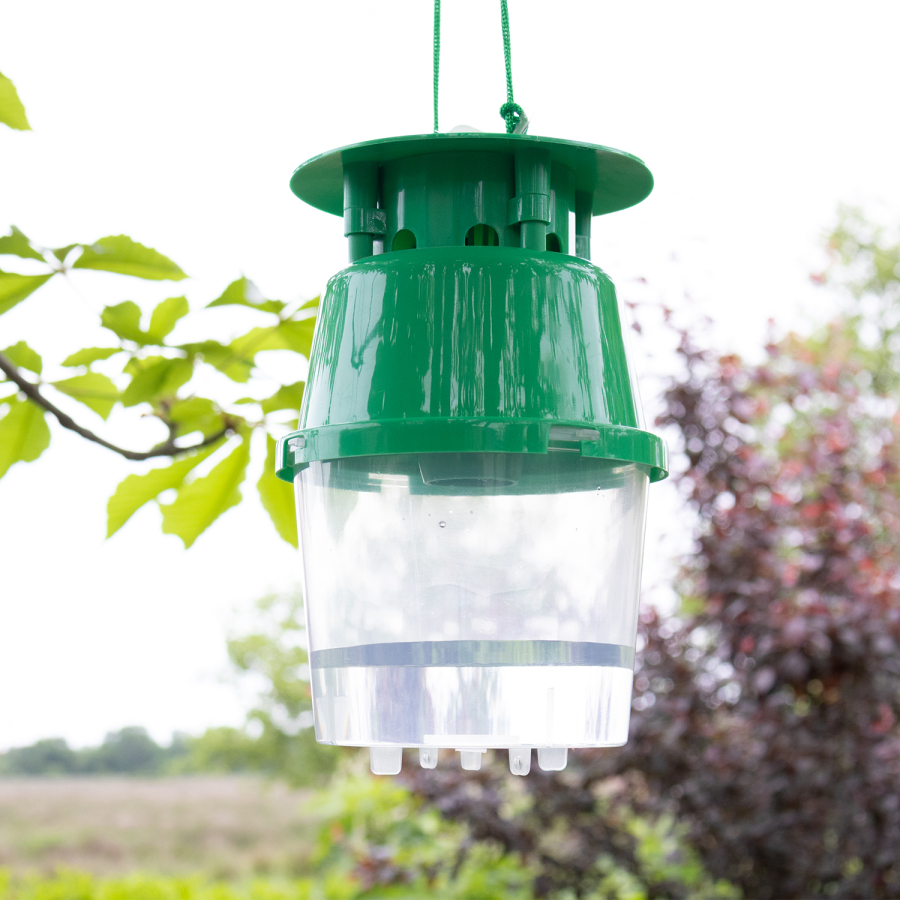
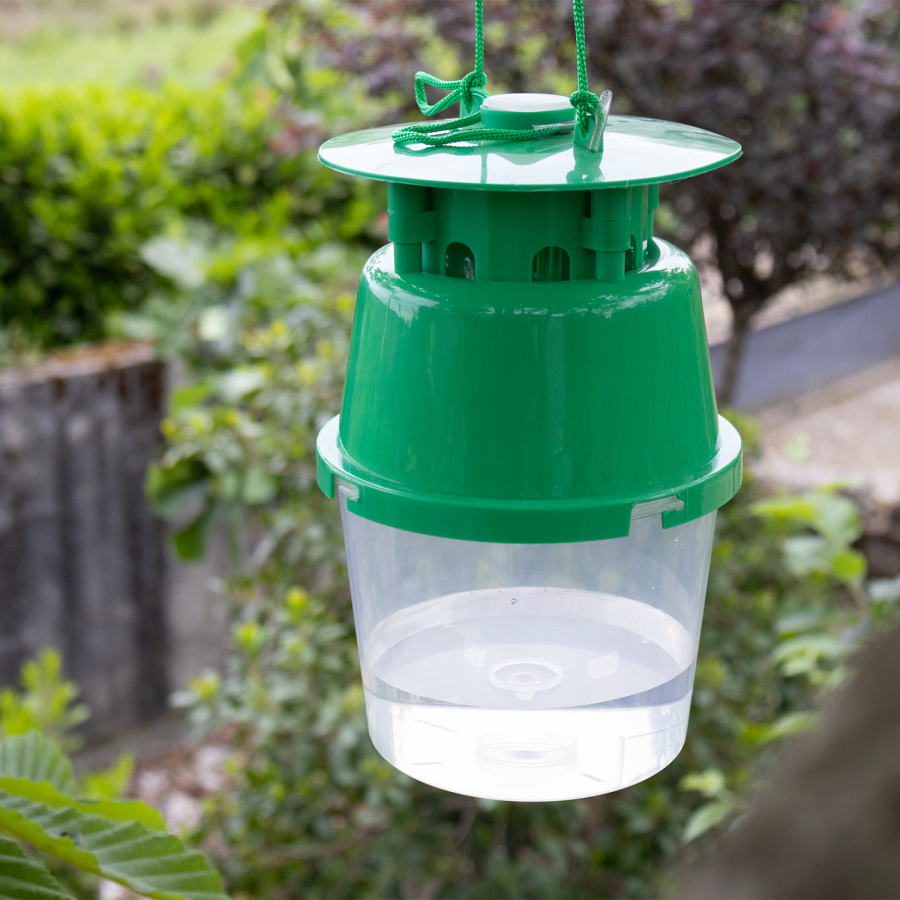
The trap works by selectively attracting adult Cameraria ohridella butterflies using the Maluttebio pheromone. Captured butterflies fall into the water-filled bucket, where they are neutralized. This method reduces the local population of adults and prevents new egg-laying on the leaves.

For optimal effectiveness, the trap should be used in combination with the Maluttebio hornbeam leafminer pheromone. This combination provides precise and continuous monitoring, essential for adapting biological treatments based on observed flight peaks.

After analyzing the captures, it is recommended to apply a Bacillus thuringiensis-based treatment about one week after a flight peak to target young larvae. This protocol significantly reduces aesthetic and functional damage to horse chestnut trees.

Installation and Use of the Special Hornbeam Leafminer Trap

1

Assemble the funnel and bucket by locking them together to form the main structure of the trap.

2

Slide the specific collar onto the four lugs of the funnel to optimize captures.

3

Attach the lid to the assembly, ensuring it is well-adjusted.

4

Place the Maluttebio hornbeam leafminer pheromone in the designated cage.

Avis clients

0,0/5
Basé sur 0 avis

This allows you to adjust interventions based on observed flight peaks and act quickly with a biological treatment like Bacillus thuringiensis.

This trap is specifically designed for the hornbeam leafminer (Cameraria ohridella) and is not suitable for other tree species or pests. Its effectiveness relies on the pheromone targeting only this butterfly. For other trees, specific traps or pheromones will be required.

For a private garden, one trap per horse chestnut tree to be monitored is usually sufficient. However, for rows or areas with multiple horse chestnut trees, it is recommended to multiply the traps to improve coverage and track pest activity. More dense surveillance allows for earlier detection of flights.

After a flight peak, it is recommended to apply a Bacillus thuringiensis-based treatment about one week later to target young larvae. This biological treatment is particularly effective against caterpillars and helps limit damage to the leaves of horse chestnut trees. Make sure to follow the product instructions for optimal application.

Although flights of Cameraria ohridella may extend into early autumn in some regions, it is generally advised to remove the trap after the active monitoring period, around the end of summer. This helps limit contamination risks or residue buildup in the trap for the following season. A thorough cleaning is also recommended before storing it.

Loading...