0
0
0
0
 Filtrer

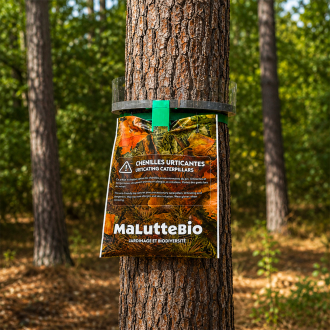
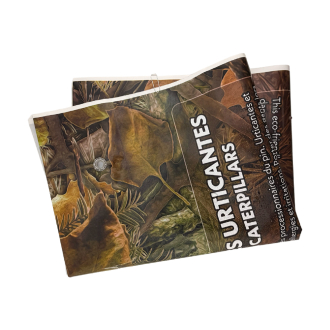
Discover our pine processionary caterpillar traps, designed to intercept caterpillars as they descend the trunk. Find collar traps, collection bags and accessories suitable for different pine trunk circumferences. A mechanical solution, without insecticides or pheromones, to help limit the number of caterpillars reaching the ground.
 Trier par
The pine processionary caterpillar (Thaumetopoea pityocampa) is a pest that mainly develops on pine trees and some cedar species. The caterpillars live in groups inside silken nests built in the branches, where they feed on pine needles during their development.
At the end of their larval stage, they leave the tree in a procession and travel down the trunk towards the ground. They are particularly known for their urticating hairs, which can pose a risk to people and animals near infested trees.


Pine processionary nests usually appear as white silken masses built in the branches of pine trees. They become particularly visible during winter.
Several signs may indicate the presence of pine processionary caterpillars:
Identifying nests early helps anticipate the caterpillars' descent and allows trapping systems to be installed before they reach the ground.
The cycle begins with the flight of the pine processionary moths and the laying of eggs on pine needles. After hatching, the young caterpillars feed on the foliage and pass through several developmental stages before forming their silken nests.
At the end of their development, the caterpillars leave the tree in procession and burrow into the soil, where they transform into pupae. Adult moths later emerge and produce a new generation.
The pine processionary season varies depending on the region, altitude and weather conditions. Descents can begin earlier during mild weather, so trees should be monitored and traps installed before the first processions appear.

To control pine processionary caterpillars, it is preferable to act at several stages of their life cycle rather than relying on a single method. Several complementary solutions can therefore be used:
These methods do not all act at the same stage: combining them makes it possible to target caterpillars, nests and adult moths throughout the year.

The choice of pine processionary trap mainly depends on the stage you want to target.
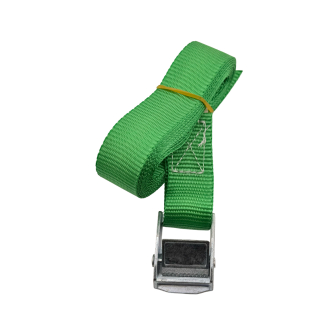
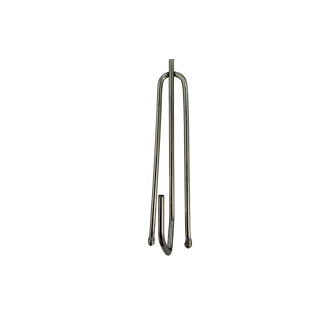
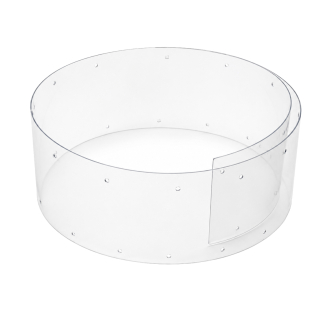
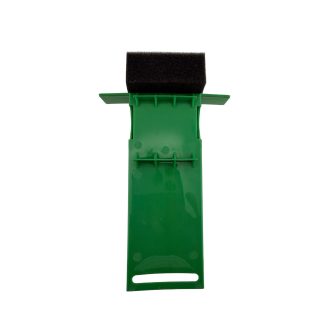
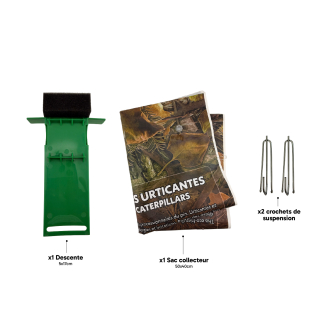
The collar trap is installed directly around the trunk. As the caterpillars descend the tree, the collar intercepts them and guides them into a collection bag before they reach the ground. Discover our pine processionary caterpillar trap.
The pheromone trap is used at a different stage: it targets male moths during their flight period. The two systems are therefore complementary and can be used as part of the same control strategy.
Pine processionary caterpillars have urticating hairs that may cause skin, eye or respiratory reactions. The risk is not limited to direct contact with a caterpillar: hairs may also be present around nests, on the ground or on contaminated equipment.
Dogs and cats are particularly exposed when they sniff or touch caterpillars on the ground. In gardens, parks and frequently used areas, limiting the number of processions reaching the ground helps reduce the risk of accidental contact.
Never touch caterpillars or their nests with bare hands. When pine processionary caterpillars are present, keep children and animals away from the affected area and use appropriate control methods.
check_circle